Are you wondering what your Lynden home would sell for right now? You are not alone. In a small market like Lynden, the details that buyers notice most — condition, recent updates, and how your floor plan lives — can shift your price and days on market in a meaningful way. This guide breaks down how those factors play out in-town versus on surrounding acreage, where to invest before listing, and how to choose a pricing strategy that fits your timeline and goals. Let’s dive in.
What drives price in Lynden
In-town buyer expectations
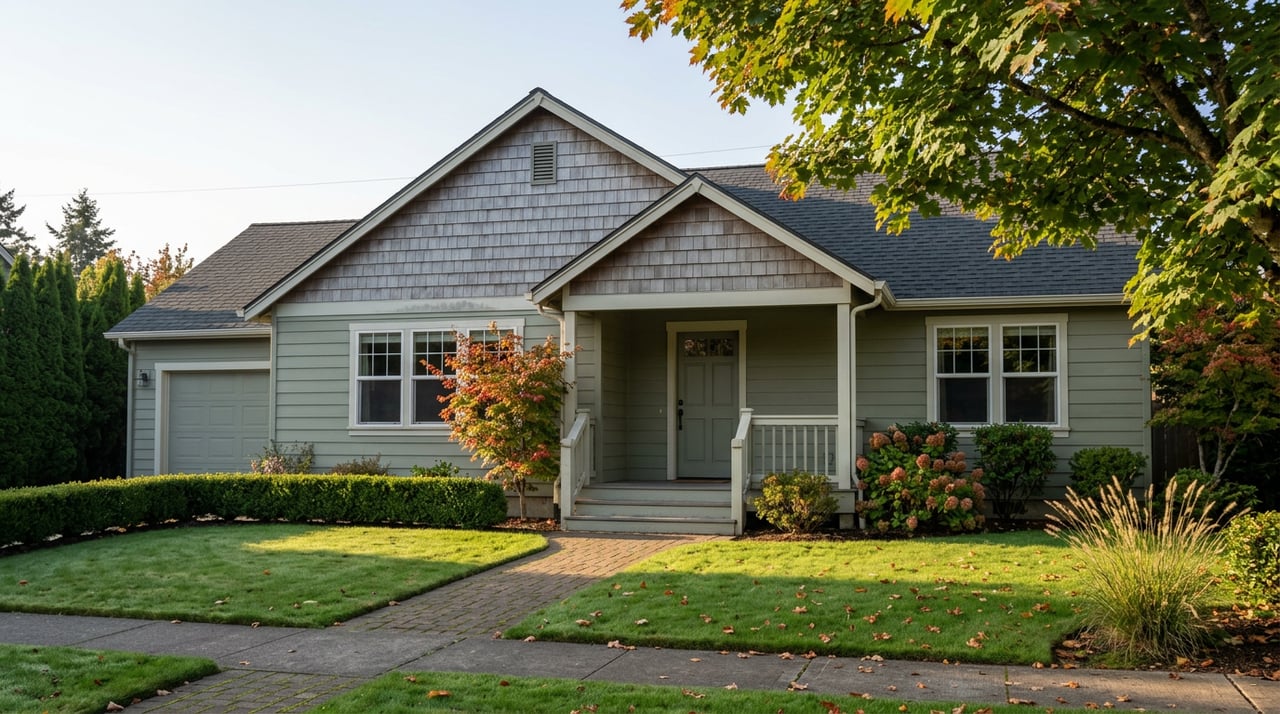
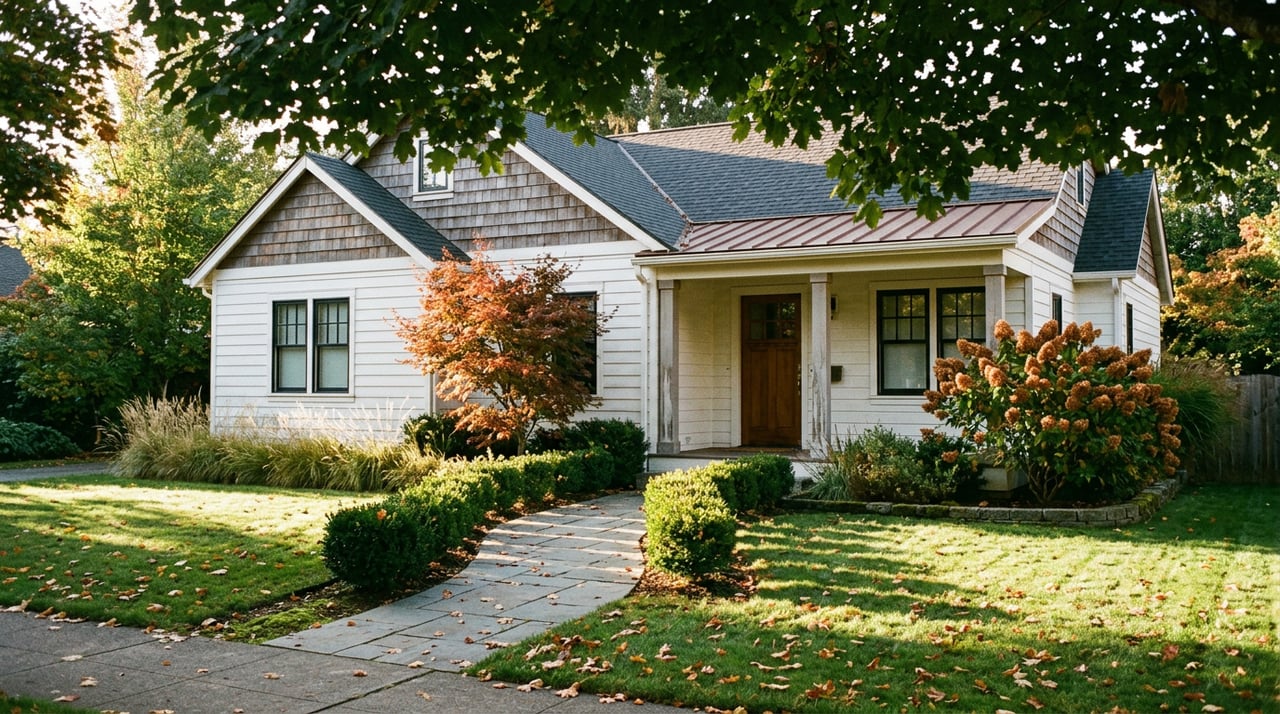
If you are selling in-town, buyers usually want tidy, move-in-ready homes with minimal projects. Clean exterior paint, well-kept systems, and neutral interiors help your home stack up well against nearby listings. Modest but thoughtful updates to kitchens and baths often move your home up a buyer’s shortlist. Because in-town homes compete closely on presentation, visible deferred maintenance can push buyers toward price concessions.
Rural buyer priorities
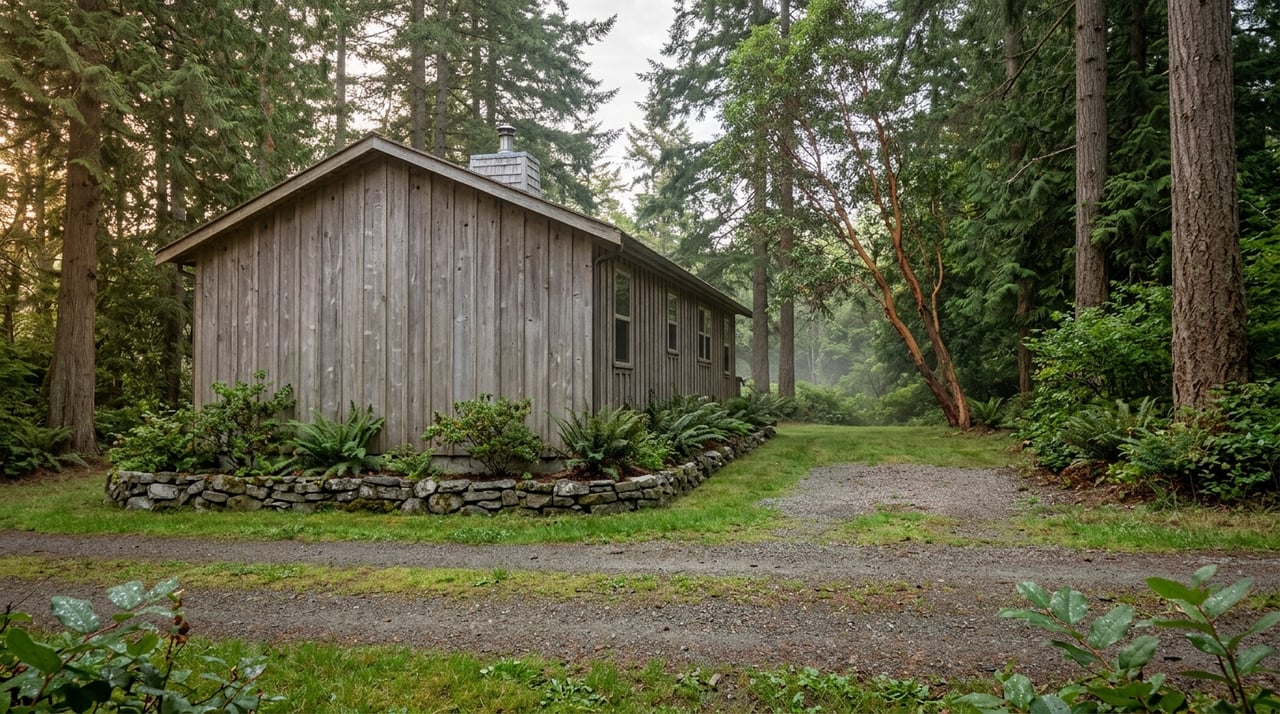
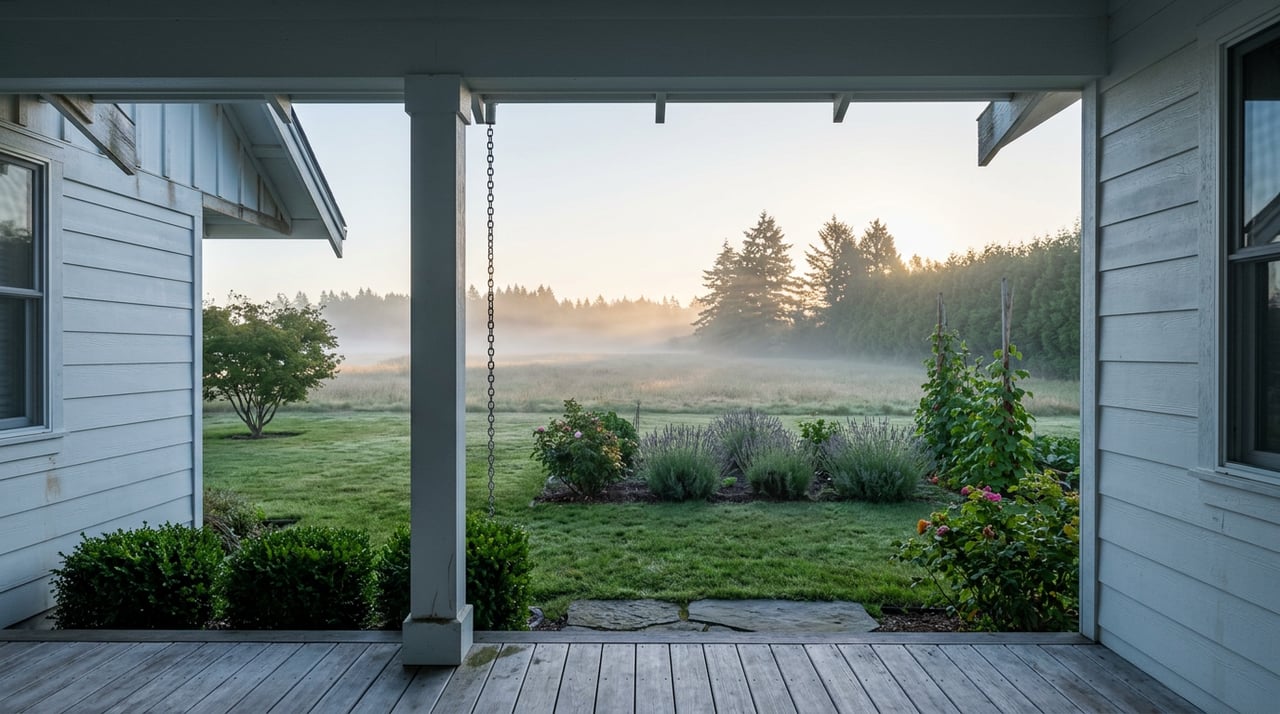
If your property sits on acreage, many buyers will focus on the land and outbuildings first. Shop space, barns, fencing, driveway condition, and privacy often outweigh minor cosmetic issues. Still, there are nonnegotiables. Septic and well performance, along with structural soundness, drive confidence and price. A great lot can carry an older floor plan, but unresolved system concerns will limit offers.
Condition and recent updates
Systems that signal value
Buyers in both segments value homes with fewer near-term capital expenses. Items that tend to pay off in stronger offers include:
- A roof with plenty of remaining life
- Newer or serviced HVAC and water heater
- Updated electrical service and safe wiring
- Replacement windows or documented energy improvements
If you have receipts and warranties, gather them before listing. Documentation helps buyers justify their best price.
Kitchen and bath refreshes
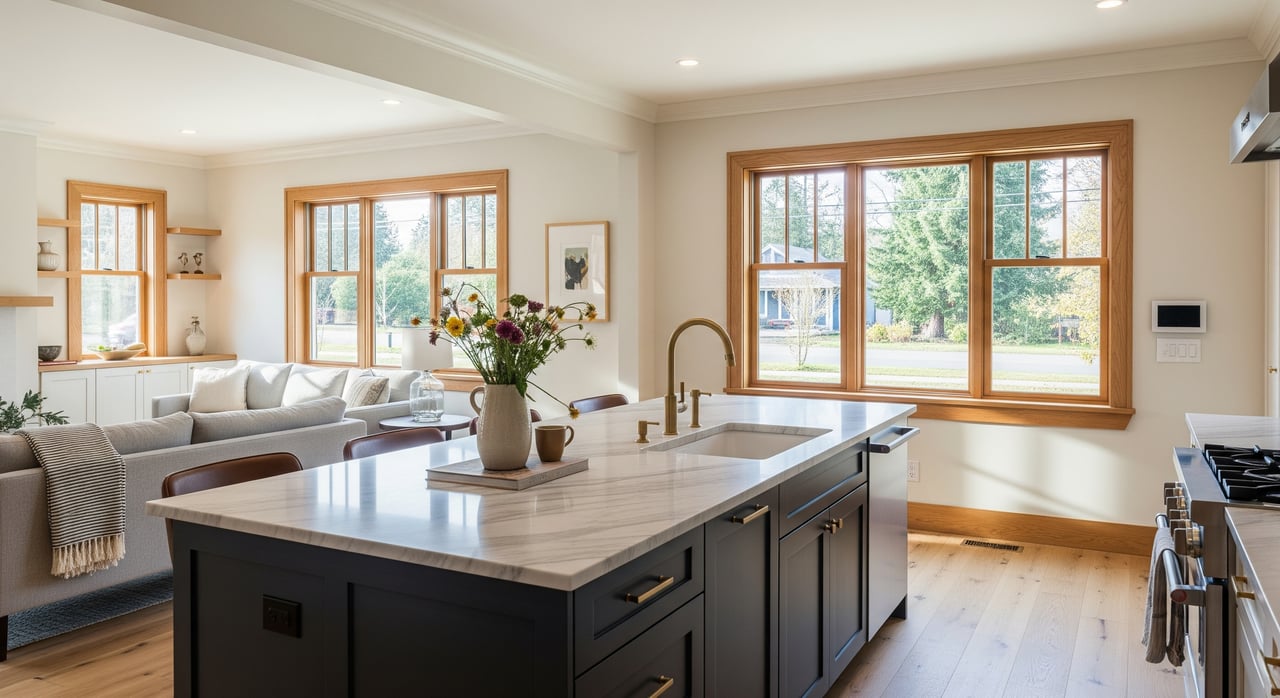
You do not need a full remodel to win attention in Lynden. In many in-town homes, a minor refresh accomplishes a lot:
- Refinished or painted cabinets with quality hardware
- Updated lighting and a modern faucet
- Fresh counters if the current material is visibly worn
- Clean, regrouted tile and new caulking in baths
These changes improve photos and first impressions without overshooting neighborhood standards. Review comparable sales before choosing scope, since over-improvement can reduce return in a smaller market.
Floor plans that fit
In-town buyers often prefer open, connected living spaces, a main-floor bedroom option for accessibility, and a functional path from the kitchen to gathering areas. Small layout tweaks, like removing a non-load-bearing wall to open sightlines, can increase appeal. On rural parcels, buyers may accept older or more compartmentalized layouts if lot features are compelling, yet storage and garage or shop space remain key value drivers.
Inspection issues that change price
Roof, HVAC, electrical, plumbing
Home inspections in Whatcom County often surface similar themes. Roof age and condition, HVAC performance, older electrical panels or wiring, and aging plumbing can all trigger buyer requests or price adjustments. Address obvious safety or end-of-life items up front when possible, or plan for negotiation credits.
Septic and well essentials
Outside city services, a functioning septic system and clean well water are essential. Expect buyers to request septic inspections and water quality tests for bacteria and nitrates. Providing recent service records or test results builds confidence and protects your price. For general guidance, review resources from the Washington State Department of Health to understand buyer expectations around well and septic documentation.
Moisture and exterior maintenance
Given our Pacific Northwest climate, crawlspace ventilation, drainage, and signs of past moisture intrusion matter to buyers. Peeling paint, clogged gutters, and failing siding show up in photos and at showings, and they can drag down perceived condition. Simple exterior tune-ups typically deliver outsized returns by improving first impressions.
Permits, zoning, and hazards
Unpermitted additions or shop conversions reduce buyer confidence and can become price-reducing inspection items. In flood-prone areas, confirm your status through the FEMA Flood Map Service Center. If your property is in-town, confirm permit history with city planning. If rural, verify county planning or critical area constraints before listing so you can disclose clearly and price accordingly.
Smart pre-list improvements
Not all upgrades are equal in a small market. Start with high-impact, moderate-cost items that improve photos and reduce buyer doubts.
High-impact, moderate-cost
- Exterior refresh: pressure wash, paint touch-ups, trim repair, gutter cleaning
- Deep declutter and professional cleaning
- Neutral interior paint in high-traffic rooms
- Minor kitchen refresh: hardware, faucet, lighting, cabinet refinish, counters as needed
- Bathroom refresh: fresh caulk and grout, modern lighting and hardware, replace dated fixtures
Moderate-impact, assess ROI
- Refinish hardwoods or replace worn carpet in key rooms
- Replace older HVAC, water heater, or roof if near end of life
- Enhance garage or shop organization and storage, especially on acreage
Evaluate carefully
- Full kitchen or bath remodels, major room additions, and luxury landscaping can overshoot neighborhood pricing. Use a comparative lens before committing to big projects.
Rural-specific tune-ups
- Pump and inspect septic, and share paperwork
- Provide well water test results for bacteria and nitrates
- Repair fencing and gates, maintain driveway, and ensure clear access to outbuildings
For broad cost-versus-value context, the annual Remodeling Cost vs. Value report offers national benchmarks that you can compare against recent local sales.
Price strategy: prep or price as-is
Two paths to choose from
- Price-to-condition: If repairs are extensive or timing is tight, sell as-is and price to reflect similar condition comps. Plan for buyer requests or credits.
- Invest and price higher: If targeted updates expand your buyer pool or resolve major concerns, complete them first, then price at the higher end of your local range.
Decision checklist
- Request a Comparative Market Analysis that groups comps by condition and updates. The Northwest MLS and local broker data will frame price brackets.
- Order a pre-list inspection or focused contractor estimates to confirm big-ticket items and realistic costs.
- For each potential improvement, ask if it moves your home into a stronger comp tier. Will it attract a broader buyer segment or reduce buyer concessions?
- Consider timing. If you need to sell fast, prioritize quick-impact items over projects that could add weeks.
- Favor convenience. Solving inspection surprises before listing reduces renegotiation and appraisal risk.
Adjusting your list price
When you set your price, document comps with similar condition and update levels, then adjust for features like lot size, shop or garage capacity, number of full baths, and major systems age. In a smaller market like Lynden, modest condition differences can shift your home into a different buyer pool. Fine-tune price bands and dollars per square foot carefully to meet buyers where they are searching.
Quick checklist before photos
- Declutter all rooms and remove extra furniture to show scale
- Deep clean, wash windows, neutralize odors
- Touch up interior paint, repair scuffs, and brighten lighting
- Service visible systems and replace HVAC filters
- Mow, edge, trim, and add simple, low-maintenance plantings at the entry
How buyer segments shape your plan
- Young families buying in-town often prioritize proximity to community amenities, sidewalk access, and functional kitchens and baths.
- Retirees and downsizers favor low-maintenance yards, single-level living or minimal stairs, and bright, accessible bathrooms.
- Rural buyers often put acreage, usable outbuildings, fencing, and garage or shop space above cosmetics, but they expect documented septic and well performance.
These priorities guide which improvements to make and help you choose a pricing lane that aligns with the right buyer for your property.
Your Lynden selling partner
You deserve a calm, strategic plan tailored to your home and timeline. With local market expertise and Compass marketing tools, Chris provides a relationship-first approach that blends clear communication with concierge-level listing prep. From a condition-based CMA to coordinating pre-list inspections and photo-ready staging, you get a measured plan that protects value and reduces surprises. Ready to talk pricing and prep for your Lynden home? Schedule a personalized consultation with Chris Boyd.
FAQs
How do condition and updates affect price for a Lynden home?
- In a smaller market, clean presentation and documented system updates help your home compete for top offers, while visible deferred maintenance often leads to longer days on market and price concessions.
What pre-list projects offer the best return in-town Lynden?
- Focus on curb appeal, neutral interior paint, minor kitchen and bath refreshes, and addressing obvious system or safety items to improve photos and reduce buyer objections.
How do septic and well issues impact rural property value near Lynden?
- Buyers typically require septic inspections and well water tests, and unresolved issues substantially reduce marketability and price, so documentation and repairs are key.
Should I do a full kitchen remodel before selling in Lynden?
- Often no, since full remodels risk over-improvement for the neighborhood, and minor updates like hardware, lighting, cabinet refinishing, and counters usually achieve a better balance of cost and impact.
How should I price an as-is home in Lynden?
- Align your list price with comparable homes in similar condition, plan for inspection-driven credits, and use a CMA to confirm where buyers are transacting in your price band.
Where can I check flood risk and planning constraints?
- Review your area on the FEMA Flood Map Service Center, and consult local planning resources to verify permits, setbacks, and any critical area constraints.
What resources help me understand buyer trends and project ROI?
- For broad context, review national buyer behavior insights from the National Association of Realtors and project benchmarks in the Remodeling Cost vs. Value report, then compare against recent local comps.