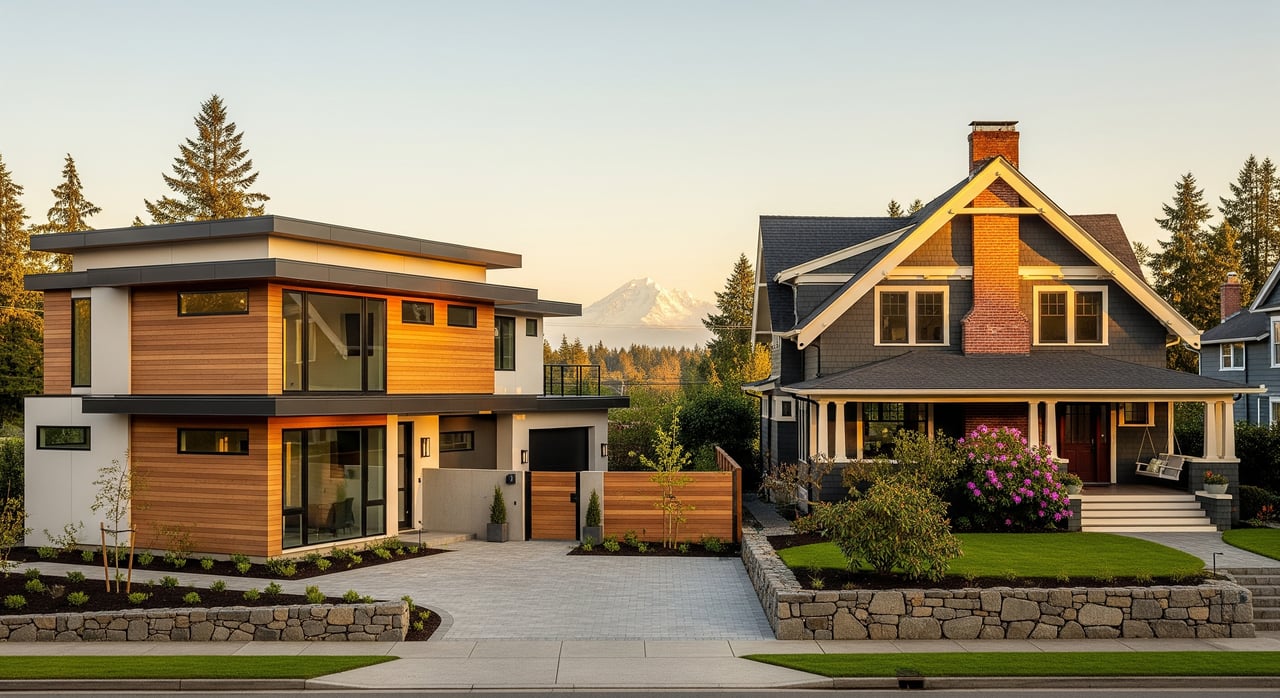
Trying to decide between a brand-new build and a well-loved resale in Ferndale? It is a big choice with real tradeoffs that affect your budget, timeline, and day-to-day life. You want clarity before you commit. In this guide, you will learn how new construction and resale homes compare in Ferndale, what to expect on costs, timelines, warranties, and neighborhoods, plus a practical checklist and offer strategy. Let’s dive in.
Ferndale at a glance
Ferndale sits in northwestern Washington in Whatcom County along I-5, about 10 to 15 miles north of Bellingham. Many buyers weigh commute time to Bellingham or the Canadian border against price and space, which can shape neighborhood choices. The area includes retail, services, and industrial employment, and certain neighborhoods are near industrial sites that can influence truck traffic and noise.
Inside city limits, most homes connect to municipal water and sewer. Rural properties outside the city may have wells and septic systems. Low-lying areas can face floodplain and drainage considerations, so it is smart to check maps and local history when you tour. The Ferndale School District serves the city, and access to parks, trails, and regional recreation is a common priority for lifestyle-focused buyers.
Costs and total ownership
Purchase price and what it includes
New construction often carries a premium per square foot compared to similar resale homes. If you are eyeing a new build, remember that a base price may exclude upgrades like certain appliances, flooring, or landscaping. Spec homes are finished or near-finished with set selections, while custom builds allow deeper choices that can add cost.
Lot selection matters too. A corner lot, a better view, or a specific orientation can come with a premium. Rural sites can add costs for septic, well work, and access improvements. Inside city limits, sewer and water connections and impact fees may apply. Transaction costs differ as well, and builders may require specific title or HOA fees, while resale sellers sometimes offer concessions.
Cost of ownership over time
Newer homes usually require less maintenance in the first 5 to 10 years and are built to current codes that can improve energy efficiency. That can lower early operating costs. Resale homes can offer savings at purchase but may need near-term updates like a roof, HVAC, windows, or appliances. On the flip side, a resale with recent upgrades can deliver move-in convenience without waiting on construction.
Financing differences
New construction can involve construction loans, construction-to-permanent loans, or builder incentives tied to preferred lenders. Construction loans are drawn in stages and can carry higher short-term rates. Builders also often offer mortgage rate buydowns or closing cost credits.
Resale purchases typically use conventional, FHA, VA, or USDA loans, which many buyers find simpler to navigate. Appraisals for custom or on-lot new builds can be more complex if comparable sales are limited. Ask early about product eligibility and appraisal approach so your financing aligns with the path you choose.
Timelines and certainty
New construction timelines
If you are purchasing a spec home, you may be able to close in a few weeks to a couple of months depending on completion and permitting. A production home from a local builder often runs about 3 to 6 months from permit to move-in. A custom build can take 6 to 12 months or more, depending on scope, weather, and review times. Keep in mind that permitting and utility connections can add weeks or months, and builder schedules can shift with supply chain issues or inspection rework.
Resale timelines
Resale transactions typically close in 30 to 45 days once you are under contract, assuming standard inspection, appraisal, and financing milestones. Once contingencies are removed, resale closings are usually more predictable on schedule than a build that is still in progress.
Warranties and protections
Builder warranties
Many builders follow a common structure: about 1 year for workmanship and materials, 2 years for mechanical systems such as plumbing, electrical, and HVAC, and 10 years for major structural elements. Coverage and claim procedures vary by builder and warranty provider. It is important to review terms, understand what is included, and know how to file a claim.
Resale protections
Resale homes do not include a builder warranty. Your protections come from inspections, seller disclosures, and any negotiated repairs or credits. You can also consider a one-year home warranty plan for certain systems and appliances, understanding that coverage limits and exclusions apply.
Maintenance and efficiency
New homes are built to current codes that can improve insulation, windows, and HVAC efficiency. This often means lower energy bills and less immediate upkeep. Materials and appliances are new and typically carry manufacturer warranties, which adds peace of mind.
Resale homes vary widely. Some need system updates in the near term, while others have already been refreshed by prior owners. Homes with older wiring, siding, or finishes can require specialized maintenance, which some buyers embrace for character and charm.
Customization and design
If choosing finishes, floor plans, and sometimes lot orientation excites you, new construction offers that flexibility, especially if you buy early in the process. Keep in mind that customization increases both cost and time. With resale, you can move in sooner and renovate in phases. Just budget for contractor availability and permits if your plans go beyond cosmetic updates.
Location and neighborhood tradeoffs in Ferndale
New subdivisions are often on the outskirts of city limits. You may find modern layouts, sidewalks, and planned amenities, but landscaping and nearby services can still be maturing. Commute times to established commercial centers can be longer.
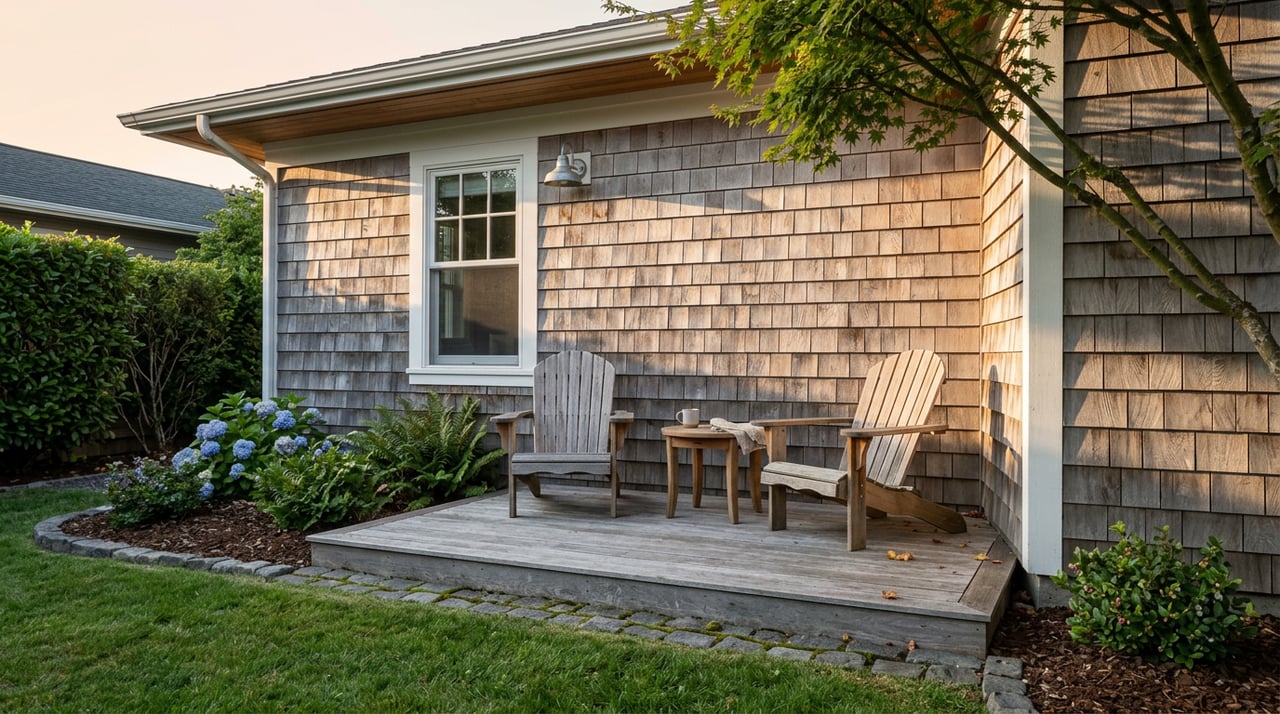
Resale homes are common in established neighborhoods with mature trees, known traffic patterns, and settled community rhythms. In Ferndale, also consider proximity to industrial areas that can influence noise or truck routes. Confirm whether a property is served by municipal utilities or located in rural areas with well and septic. Review floodplain and drainage history for lowland sites.
HOA rules and CC&Rs are common in newer subdivisions and can affect design choices, parking, and exterior changes. Older resale neighborhoods may or may not have HOAs, so it pays to verify fees and restrictions before you write an offer.
Resale value and appreciation
New construction often commands an initial premium, but nearby development with similar homes can create competition. Established neighborhoods may see steady appreciation linked to location advantages and services. Planned road projects, school boundaries, and zoning updates can influence long-term value, so stay informed about local planning.
Decision checklist
Use this checklist to compare options and avoid surprises.
For any property
- Confirm municipal water and sewer versus well and septic, and note related costs.
- Review flood maps and ask about local drainage and flood history.
- Check school boundaries and any planned changes that could impact your daily routine.
- Have title reviewed, including easements, encroachments, and CC&Rs.
If you are buying new construction
- Obtain the builder contract and read the full warranty terms.
- Get an itemized list of what is included versus upgrades, with pricing and change-order policies.
- Verify permit status and completion targets, and ask about remedies if delays occur.
- Confirm whether you can hire independent inspectors at pre-drywall and final stages.
- Review HOA documents, budgets, fees, and any planned assessments.
- Check the builder’s recent completions and warranty service history.
If you are buying resale
- Order a full home inspection and budget for repairs or deferred maintenance.
- Request seller disclosures, maintenance records, and permits for prior work.
- Verify the age and condition of the roof, HVAC, water heater, windows, and major systems.
Build your 5 to 10 year cost comparison
Create a side-by-side view to see the true cost of each path.
- Purchase price plus upgrades or renovation costs
- Closing costs and HOA fees
- Estimated utilities and energy costs based on age and code standards
- Annual maintenance and repair reserves appropriate for the home’s age
- Conservative appreciation assumptions based on local trends
This exercise shows how a higher upfront price for new construction can be partially offset by lower maintenance and energy costs, or how a lower resale price may require capital projects in the near term.
How tours and offers work with each path
Touring new construction
Before the tour, gather plan sheets, specifications, options lists, plat and lot maps, CC&Rs, HOA budgets, and permit status. On site, review lot orientation, sun exposure, drainage, and proximity to roads or industrial activity. Compare model home upgrades to the standard package so you know what you are really getting. Clarify community features, school access, and nearby development plans. After the tour, consider a review of the builder contract and line up a third-party construction inspector for key build stages.
Touring resale homes
Prep with seller disclosures, any available utility costs, permit history, nearby comps, and school boundary info. During the tour, note system ages, roof condition, signs of moisture or grading issues, and any deferred maintenance. Observe traffic patterns, lighting, and surrounding land uses. Post-tour, schedule inspections and price out likely repair items if you plan to request credits.
Offers on new construction
Clarify inclusions and upgrade allowances and attach itemized lists to your contract. Understand deposit schedules and what is refundable. Builders often limit contingencies, so work to secure reasonable financing protections and clear remedies for delays. Nail down the change order policy and warranty claim process. When negotiating, look for incentives such as rate buydowns, closing cost credits, appliance packages, or design center allowances.
Offers on resale homes
Protect yourself with inspection and financing contingencies that fit your risk tolerance. Consider appraisal strategies based on the market. Use inspection findings and comps to justify price adjustments or credits. In a competitive situation, an escalation clause can help if it is drafted to local standards and rules.
What fits you best?
If you want low maintenance, higher efficiency, and the chance to personalize, new construction can be a great fit if your timeline allows for it. If you need to move sooner, prefer established neighborhoods, or value predictable closing dates, a resale home may serve you better. Either way, having a clear plan for costs, timelines, and protections is what leads to a confident decision.
Ready to talk through your options and map a plan for Ferndale? Schedule a personalized consultation with Chris Boyd for local guidance tailored to your goals.
FAQs
What is the typical timeline to buy new construction in Ferndale?
- Spec homes can close in a few weeks to a couple of months, production builds often take about 3 to 6 months from permit, and custom homes can run 6 to 12 months or longer.
How do builder warranties work on new homes?
- Many builders offer about 1 year on workmanship and materials, 2 years on major systems, and 10 years on structural components, with specific terms set by the builder or a third-party provider.
Are HOAs common in new Ferndale subdivisions?
- Yes, many newer communities form HOAs with design standards and fees; review CC&Rs, budgets, and any planned assessments before writing an offer.
What should I budget for upgrades on a new build?
- It varies by builder and package, so request an itemized list of included features, options, prices, and a clear change-order policy to avoid surprises.
Is it harder to appraise a new build than a resale home?
- Appraising custom or on-lot new builds can be more complex if comparable sales are limited, while resale appraisals typically rely on established neighborhood comps.
Can I use FHA, VA, or USDA financing for new construction?
- Many buyers can, but product availability and requirements vary by lender and builder, so confirm eligibility and appraisal process early in your search.