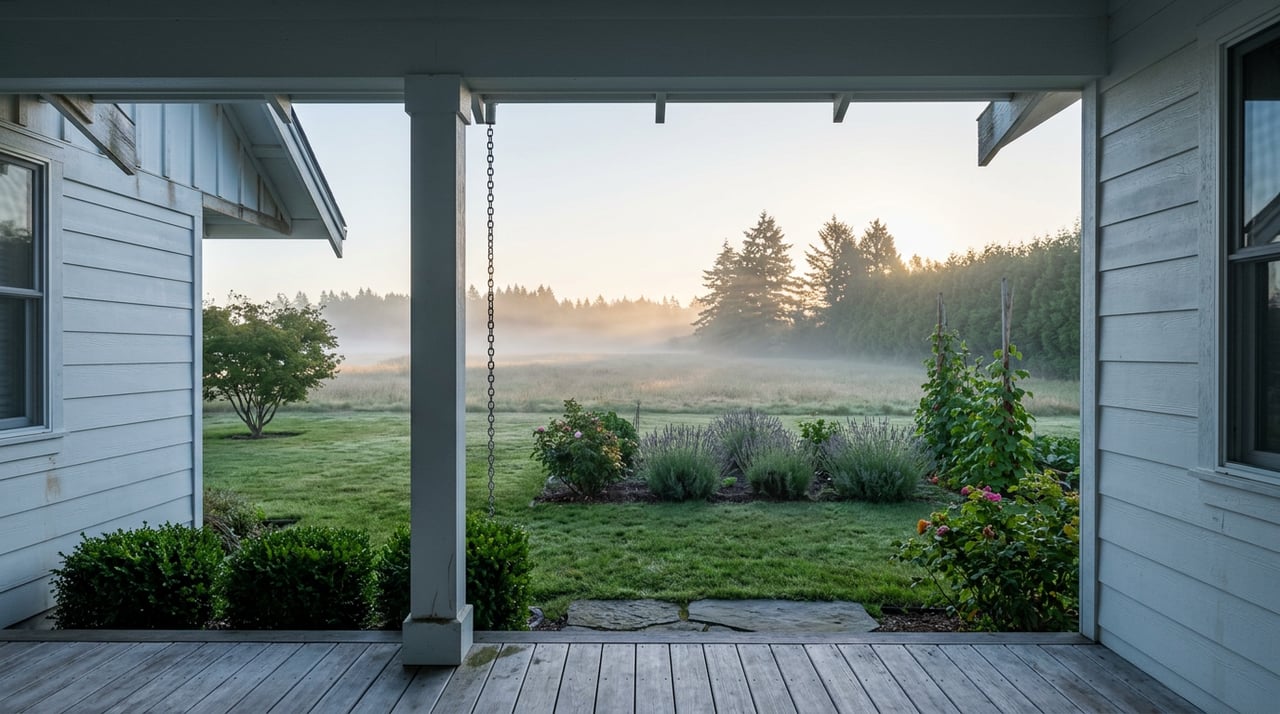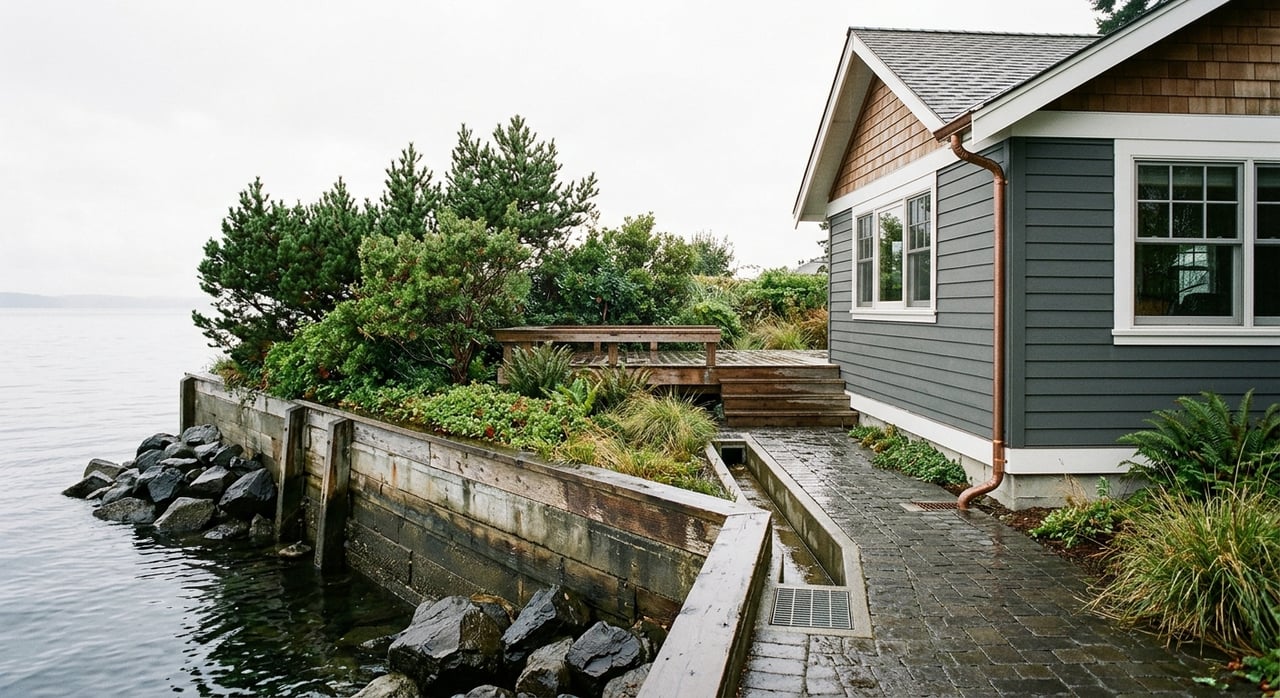
If you have ever dreamed of waking up to bay views, beach walks, and easy access to the water, Birch Bay and nearby Blaine can feel like a rare opportunity. Waterfront property here offers a lifestyle that is hard to match, but it also comes with real planning, maintenance, and risk questions that are easy to underestimate. When you understand both sides of the equation, you can buy with more confidence and fewer surprises. Let’s dive in.
Why buyers love Birch Bay waterfront
Birch Bay is more than a scenic stretch of shoreline. Whatcom County describes Birch Bay as a recreation area, a shellfish-harvesting area, and a place where water quality and stormwater management are active priorities.
That combination helps explain the draw. You are not just buying a home with a view. You may also be buying access to beach use, marine recreation, and a coastal setting shaped by ongoing public investment in shoreline access, habitat restoration, and naturalization, as seen in Birch Bay Drive project planning.
For many buyers, that lifestyle reward is the whole point. A well-chosen waterfront home can offer daily enjoyment, long-term appeal, and a setting that feels distinctly Pacific Northwest.
Waterfront rewards come with oversight
One of the biggest things to understand is that waterfront property in Birch Bay and Blaine exists within an active regulatory environment. That is not necessarily a bad thing, but it does mean you should expect more diligence before you buy.
The county has made Birch Bay a pilot community for its shoreline planning work, and marine areas here are part of ongoing water-quality and hazard-management efforts. Shellfish protection and monthly water-quality monitoring are a regular part of how Birch Bay and Drayton Harbor are managed.
In simple terms, the shoreline is a major asset, but it is also a carefully watched one. If you are buying for enjoyment, future improvements, or long-term resale, that context matters.
Shoreline rules you should know
If you are looking at true waterfront property, one of the first questions is whether the parcel falls within shoreline jurisdiction. That can affect what you can build, replace, expand, or repair.
According to Whatcom County’s Shoreline Management Plan update, a new Shoreline Management Plan took effect on March 13, 2025. For marine shorelines, the buffer remains 150 feet landward of the Ordinary High Water Mark. The county also notes that its Critical Areas Ordinance applies only outside shoreline jurisdiction.
That distinction matters because shoreline properties often follow a different permit pathway. Whatcom County’s shoreline application process outlines several permit types, including exemptions, conditional use permits, variances, and substantial development permits.
Docks and shoreline structures
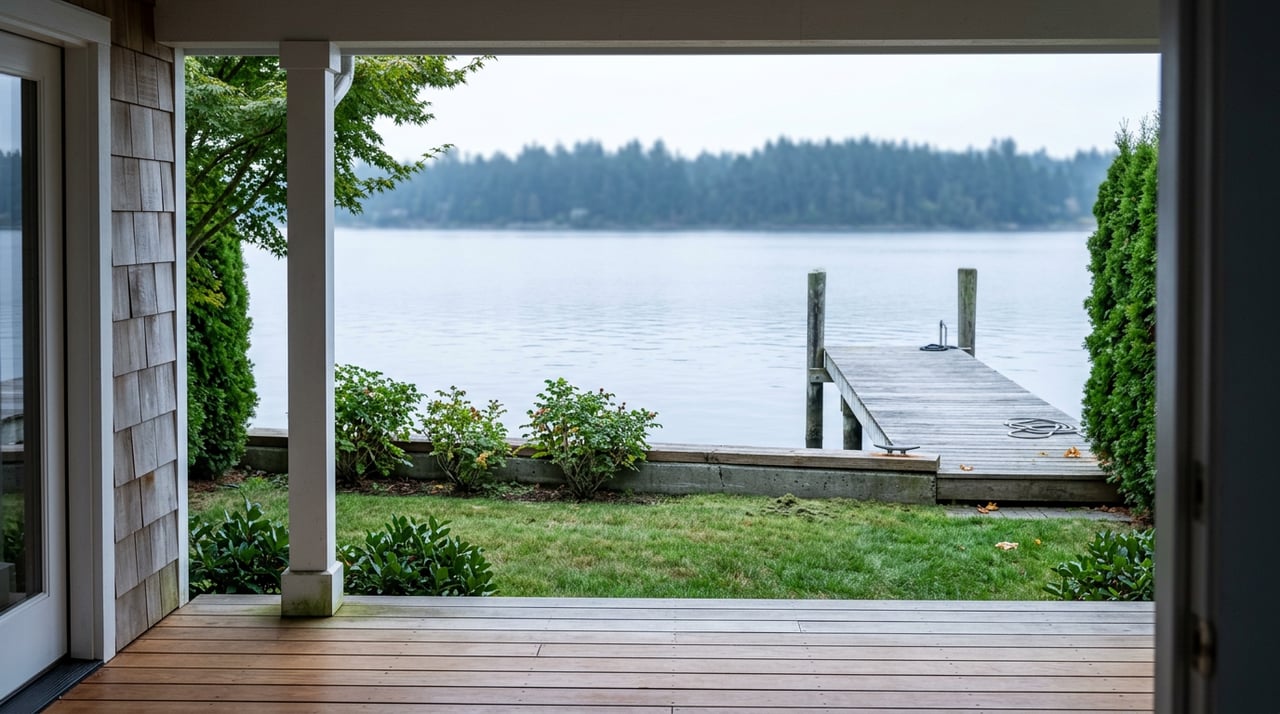
Many buyers assume they can add or replace a dock later if the lot seems to allow it. In reality, dock approvals can be detailed and highly property-specific.
The 2025 Shoreline Management Plan changed how docks are reviewed, and the county now uses more detailed dock standards. The update also states that new freshwater docks can qualify for exemption only if they are $20,000 or less, which is an important reminder that not every future waterfront project will be simple or inexpensive.
Stormwater rules can affect remodels
Stormwater is another issue buyers sometimes miss. Birch Bay and Drayton Harbor are Stormwater Special Districts, and that can affect both new construction and remodeling.
If work adds more than 500 square feet of impervious area, or if renovations exceed 50% of the structure’s assessed value, onsite stormwater facilities and erosion-control requirements may be triggered. If you are considering a major addition, driveway changes, or other site work, this should be part of your early review.
The biggest risks of waterfront ownership
The view may be timeless, but the shoreline is not static. In Birch Bay, buyers should pay close attention to flooding, erosion, and bluff stability.
Whatcom County’s climate risk work identified Birch Bay as one of two focus areas for compound flood risk tied to sea-level rise and increased rainfall. This is not theoretical planning. It is part of a local effort to model how coastal flooding may affect roads, public assets, and shoreline areas over time.
Flood exposure
The county’s compound flood vulnerability assessment found that Birch Bay State Park is already inundated during king tides under current conditions. Under future sea-level-rise scenarios, several Birch Bay recreational assets are expected to flood more often, and the area of exposure expands significantly under larger storm events.
At the state level, Washington Ecology projects about 1.5 to 2.5 feet of sea-level rise along the Washington coastline by 2100, with higher levels possible. Ecology also notes that rising seas can increase erosion, flooding, groundwater rise, and saltwater intrusion, while shifting shoreline jurisdiction landward.
For you as a buyer, the takeaway is practical. Even if a home feels fine today, future flood exposure can affect insurance, maintenance planning, and resale.
Erosion and bluff retreat
If the property sits near a bluff, the due diligence bar gets even higher. The county’s Future Shorelines report says bluffs near Birch Bay have historically receded about 0.4 to 0.7 feet per year and could accelerate in coming decades.
The report links bluff erosion to wave action, runoff, geology, groundwater, and vegetation loss. It also notes that shoreline armoring can reduce sediment supply down-drift, which adds another layer of complexity when evaluating past shoreline work.
Public projects reflect real conditions
It helps to remember that local infrastructure projects often tell you what risks the area is already managing. The Birch Bay Drive berm project was built to reduce beach erosion, coastal flooding, and storm damage.
That does not mean every waterfront property is problematic. It does mean buyers should take these local conditions seriously instead of treating them as abstract future concerns.
Insurance and ownership costs
Waterfront ownership costs more than the purchase price. You may be taking on added insurance needs, recurring upkeep, and occasional shoreline-related expenses that inland buyers do not face.
Whatcom County participates in the National Flood Insurance Program and points buyers to FEMA flood maps and state flood tools. FEMA also states that flood insurance is required for properties in a Special Flood Hazard Area when the mortgage is government-backed, and standard homeowners insurance usually does not cover flood damage.
That is one of the biggest budgeting mistakes buyers can make. Flood coverage should be treated as a separate ownership cost, not something you assume is already included in a standard policy.
Maintenance can also be more involved. Shoreline projects in the area have included periodic inspections after storm events, beach nourishment, and ongoing planting care. If a property has shoreline improvements, drainage features, or exposed coastal edges, you should plan for recurring monitoring and upkeep.
Water quality matters too
For many buyers, the shoreline lifestyle includes beach use, wading, or shellfish harvesting. In Birch Bay and Drayton Harbor, those activities can be affected by water-quality conditions.
Whatcom County conducts ongoing water-quality monitoring and advisory updates. The county may post swimming or shellfish advisories when needed, and buyers should check whether those conditions matter to how they plan to use the property.
This is not a reason to avoid the area. It is simply part of buying thoughtfully in a coastal environment where natural systems and public health rules are closely connected.
A smart waterfront due diligence checklist
If you are seriously considering a waterfront purchase in Birch Bay or Blaine, these are some of the most important questions to answer before you write an offer:
- Is the property truly waterfront, or is it primarily waterview?
- Is the parcel within shoreline jurisdiction?
- What permit path would apply to future work on the site?
- Were any dock, bulkhead, fill, drainage, or bluff-related improvements properly permitted?
- Is the home in a FEMA flood zone, and would your lender require flood insurance?
- Is the lot low-lying, near an outfall, or close to an erosion-prone bluff area?
- Could future remodel plans trigger stormwater requirements?
- Do seasonal water-quality, algae, or shellfish advisories affect how you want to use the shoreline?
It is also wise to request permit history, survey information, and documentation for any visible shoreline improvements before closing. County review materials show that shoreline proposals are closely evaluated for setbacks, wetlands, geologic hazards, stormwater, septic or sewer placement, and the Ordinary High Water Mark.
Resale depends on more than the view
A beautiful shoreline setting can absolutely support long-term value, but resale often depends on more than scenery alone. Buyers in this segment tend to look closely at flood exposure, erosion history, permit records, and ongoing maintenance obligations.
That means the best waterfront purchase is often not the one with the most dramatic first impression. It is the one with the clearest documentation, manageable risk profile, and ownership costs that fit your long-term plans.
If you are considering waterfront property in Birch Bay or Blaine, a calm, detailed review can make all the difference. Chris Boyd can help you evaluate the big picture, ask the right due diligence questions, and move forward with a strategy that fits your goals.
FAQs
What should buyers check before buying waterfront property in Birch Bay?
- Buyers should verify flood zone status, shoreline jurisdiction, permit history, bluff or erosion exposure, stormwater requirements, and whether water-quality advisories could affect how they plan to use the property.
Does waterfront property in Birch Bay require flood insurance?
- It can. FEMA says flood insurance is required in a Special Flood Hazard Area when the mortgage is government-backed, and standard homeowners insurance usually does not cover flood damage.
Can you add a dock to a Birch Bay or Blaine waterfront property later?
- Possibly, but it depends on shoreline jurisdiction, permit requirements, and current standards. Buyers should not assume future dock approval without confirming the applicable rules.
Are bluff properties near Birch Bay at risk of erosion?
- Some are. Whatcom County’s Future Shorelines report says bluffs near Birch Bay have historically receded and could erode faster in future decades.
Do remodels on Birch Bay waterfront property trigger stormwater rules?
- They can. In the Birch Bay and Drayton Harbor Stormwater Special Districts, certain additions and major renovations may require onsite stormwater facilities and erosion-control measures.
Why does permit history matter for Blaine and Birch Bay waterfront homes?
- Permit history can reveal whether docks, bulkheads, drainage work, fill, or shoreline modifications were properly approved, which can affect financing, insurance, future improvements, and resale.