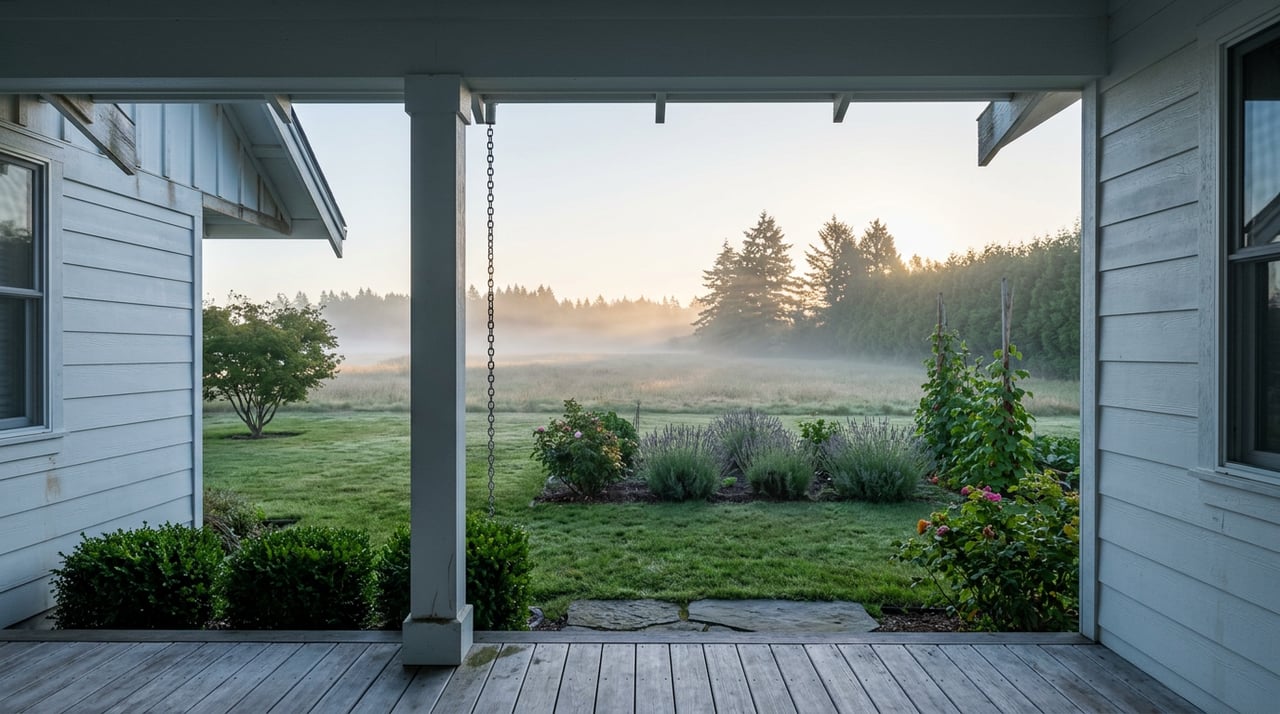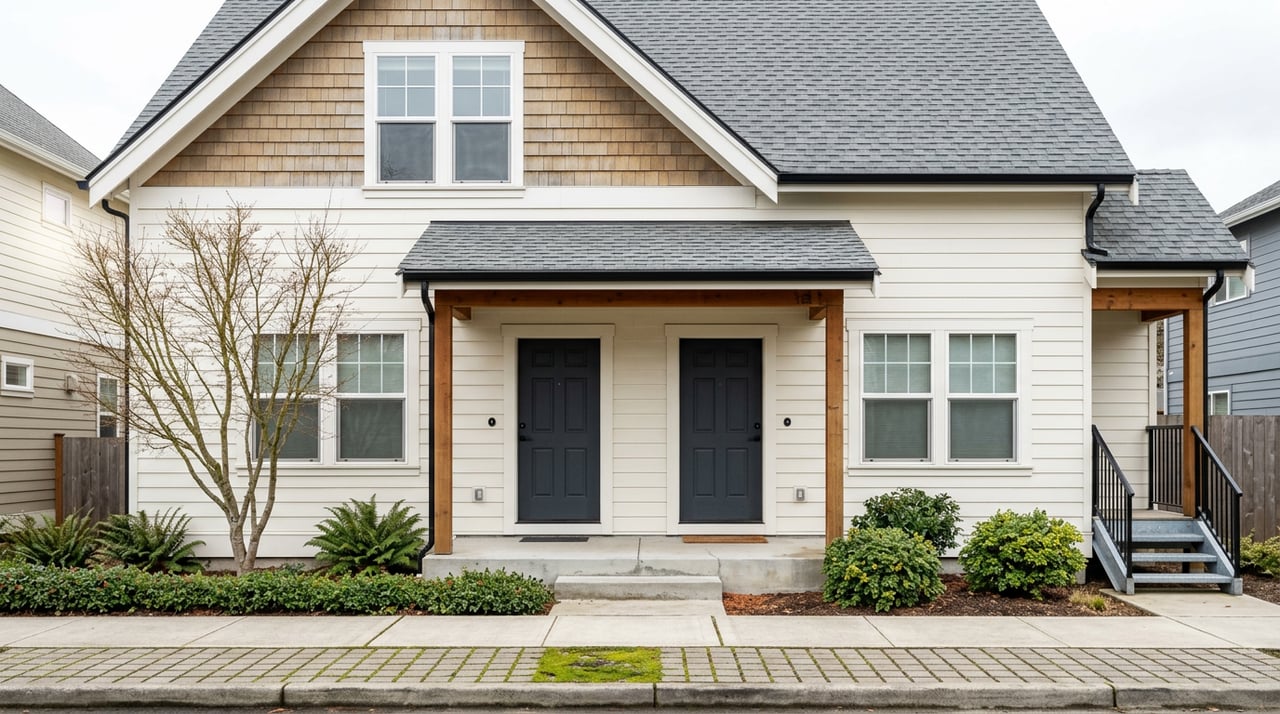
Trying to decide between a condo and a house in Bellingham? You are not alone. Many buyers here want low-maintenance living and walkability, but also crave privacy and space. The good news is you can make a confident choice once you line up costs, lifestyle fit, rules, and resale. This guide gives you a local snapshot, plain-English tradeoffs, neighborhoods to consider, and a simple checklist to move forward. Let’s dive in.
Bellingham market snapshot
- Bellingham has generally priced higher than the wider county. Local 2024 reporting put the city’s median sold price near $765,000 and Whatcom County’s around $635,000 for all home types as of 2024. You can see those figures in the Bellingham Regional Chamber summary of 2024 sales. Local reporting on 2024 medians
- Entering 2026, the regional market showed more inventory and a softer pace, which can help buyers. The NWMLS January 2026 snapshot reported a statewide median of about $595,000 for residential homes and condos, with active listings up year over year. NWMLS January 2026 snapshot
- Condos are typically more affordable than single-family homes here. A recent Bellingham condo median was reported near the low-to-mid $400,000s (about $405,000 for a recent 12-month window), though prices vary widely by building and neighborhood. Bellingham condo medians
Keep two things in mind. First, always attach a date to any price you use. Second, more condo inventory in some periods can lead to sharper price adjustments for units that linger. If you are leaning condo, compare days on market and recent sales in the specific building.
Condos vs houses at a glance
| Decision factor | Condo | House |
|---|---|---|
| Maintenance | HOA handles exterior, roof, common areas, and often some utilities. You pay monthly dues. | You handle roof, siding, yard, and systems. Costs vary by age and condition. |
| Monthly costs | Dues plus mortgage, taxes, insurance, and utilities. Dues differ by building and amenities. | No HOA dues in most cases, but you budget for upkeep over time. |
| Privacy & noise | Shared walls and common spaces. Rules support predictability. | More privacy and control over how you use space and make improvements. |
| Outdoor space | Limited to balconies, patios, and shared areas. | Private yard, garden, and often a garage or workshop. |
| Financing | Project approval can affect loan options and rates. | Standard underwriting. Fewer project-level hurdles. |
| Resale | Tied to building health, reserves, and project approval. | Tied to neighborhood trends, condition, and lot features. |
If you want less hands-on upkeep and strong walkability, a condo can be a great fit. If you prioritize space, privacy, and control over improvements, a house usually wins. For a quick primer on how condo ownership works, see this overview of what a condo is and how HOAs function. Condo ownership basics
Where each option shines in Bellingham
Fairhaven and waterfront-adjacent condos
Fairhaven’s historic district offers a mix of newer and converted buildings with a walkable, small-town feel near shops, trails, and the water. Many downsizers and relocating professionals pick this area for low-maintenance living close to daily amenities. Fairhaven lifestyle context
Downtown and city-center living
Mid- and low-rise buildings downtown and near the waterfront offer quick access to dining, events, and transit. If you prefer a car-light lifestyle and value elevator access and secure parking, this cluster can be a strong match.
Barkley, Meridian, and Cordata townhomes
These neighborhoods often feature attached homes and townhomes with simpler upkeep than a detached house. Many buyers view them as practical first-home or move-down options with nearby services and commuting routes.
South Hill, Edgemoor, and classic single-family streets
For yards, garages, and more room to spread out, you will find a wide range of detached homes in established neighborhoods across the city. If you want room for gardening, hobbies, or future projects, this path usually fits better than a condo.
Near Western Washington University
If proximity to WWU matters for commute time or future rental demand, look at areas close to campus. Some buildings and HOAs limit rentals, so confirm rules early if you expect to lease the home in the future.
Costs, HOAs, and Washington rules
What HOAs cover and why reserves matter
In a condo, the association handles the exterior, roof, common areas, and often certain utilities and amenities. You pay monthly dues for that shared upkeep. The tradeoff is less hands-on maintenance in exchange for a recurring fee and shared decision-making with the board and owners. Condo ownership basics
Washington is harmonizing HOA rules under the Washington Uniform Common Interest Ownership Act (WUCIOA). Provisions on transparency and owner participation began applying more broadly in 2026, with a full harmonization target of 2028. This shift affects budget procedures, meeting rules, and disclosures buyers should receive. Overview of WUCIOA standardization
Many associations must maintain reserve studies and reserve accounts, which help fund big-ticket projects like roofs or building systems. Strong reserves lower the risk of special assessments. Before you buy, review the latest reserve study and 2 to 3 years of financials to gauge future costs. Reserve study requirements
House upkeep and budgeting
With a detached home, you control the timing, materials, and scope of maintenance, which can be a cost advantage if you plan and budget. Build a simple annual reserve for roof, paint, siding, and systems. If the home has older components, get contractor estimates during inspection so you can compare that budget to the HOA dues you might pay in a condo.
Insurance basics to get right
Condo owners usually carry an HO-6 policy for the unit interior, while the HOA carries a master policy for common areas and sometimes parts of the unit structure. Gaps can appear between what the master policy covers and what your HO-6 covers, especially around upgrades or the master policy deductible. Ask your insurance professional to align your HO-6 with the building’s master policy and to explain loss-assessment coverage. Master policy vs HO-6
Single-family owners typically carry a homeowners policy that covers the structure and the yard. The coverage is more straightforward, since you insure the entire building and site yourself.
Financing differences and condo approvals
Lenders review condo buildings, not just individual buyers. Some loans require the building to meet project standards around reserves, insurance, owner occupancy, litigation, and commercial space. If a building does not meet those standards, you may need a different loan type with a higher rate or down payment. Ask your lender to confirm project eligibility early for any building you are considering. Condo project standards
Short-term rentals: know the rules
If you plan to use a home for short-term rental income, confirm both city and HOA rules upfront. Bellingham’s code includes a primary-residence requirement in most residential zones and sets an explicit cap for condo buildings. No more than one unit or 25 percent of units, whichever is greater, may be permitted for short-term rental use unless higher density is approved. Check the building’s current count of permitted STRs before you write an offer. Bellingham STR rules, BMC 20.10.037
Resale and long-term outlook
Condos can be more price-sensitive in softer markets, especially when inventory rises and buyers have more choices in the same building or nearby. That sensitivity ties condo resale value closely to the building’s financial health, reserves, and project approval. Houses track more with neighborhood trends, condition, and lot features. In either case, your inspection, document review, and pricing strategy will do most of the heavy lifting on resale.
A simple decision framework
Ask yourself the following, then match your answers to the option that fits best:
- How important are walkability and low-maintenance living in the next 5 to 7 years?
- Would a private yard, garden, or workshop improve daily life and hobbies?
- Are you comfortable with HOA rules and group decision-making, or do you prefer full control?
- Do you plan to rent the property now or later, and what rules could limit that plan?
- Is your preferred building eligible for your loan type, and have you verified it?
If you answer yes to the first two, a condo may be ideal. If the last three matter more, a house often wins.
Your 10-point local checklist
Use this before you waive contingencies or make a final decision.
- Compare total monthly costs
- Add condo dues plus insurance and utilities, then compare to a house budget with a maintenance reserve.
- Review HOA health (condos)
- Read the current budget, last reserve study, and recent financials. Note the master insurance policy and deductible. Reserve study requirements
- Confirm condo financing path early
- Ask your lender if the building is approved for your loan or if a special review is needed. Condo project standards
- Check rental and STR rules
- For condos, verify HOA rental limits and the city’s STR cap and permit status. Bellingham STR rules, BMC 20.10.037
- Align insurance coverage
- For condos, match your HO-6 to the master policy and consider loss-assessment coverage. For houses, confirm replacement cost and any special endorsements. Master policy vs HO-6
- Inspect for big-ticket items
- For condos, ask about roof, siding, elevators, and envelope projects. For houses, evaluate roof, siding, systems, and drainage.
- Understand neighborhood fit
- Test commute times, walkability, and noise at different hours. Visit parks and trail connections that matter to you.
- Clarify improvement plans
- In condos, review architectural change rules. In houses, estimate costs for your top projects and set a timeline.
- Map your 5-year life plan
- Consider household changes, work patterns, and how much maintenance time you are willing to invest.
- Time your offer to the market
- Ask your agent to show days-on-market patterns and recent sales so you can price and negotiate with confidence. The 2026 environment gives buyers more choice in many segments. NWMLS January 2026 snapshot
Ready to talk through your specifics and tour the best-fit options in each category? Reach out to Chris Boyd to schedule a personalized consultation.
FAQs
What is the current price gap between Bellingham condos and houses?
- As of 2024 reporting, the citywide median for all home types was about $765,000, while recent Bellingham condo medians have hovered near the low-to-mid $400,000s, though building and neighborhood drive wide variation.
How do Washington’s new HOA rules affect condo buyers in 2026?
- WUCIOA is standardizing association practices, with broader provisions applying from 2026 and full harmonization targeted by 2028, which improves transparency, budgets, and disclosures for buyers.
What documents should I review before buying a Bellingham condo?
- Request the current budget, most recent reserve study, 2 to 3 years of financials, governing documents, rules on rentals and renovations, and the master insurance policy with deductibles.
Why do some condos have tougher financing than houses?
- Many loans require the building to meet project standards around reserves, insurance, owner occupancy, litigation, and commercial space, and buildings that do not qualify can limit loan options and change rates or down payments.
Can I use a Bellingham condo as a short-term rental?
- Possibly, but the city caps how many units in a building can be permitted and requires primary-residence conditions in most zones, and many HOAs add their own rental restrictions.