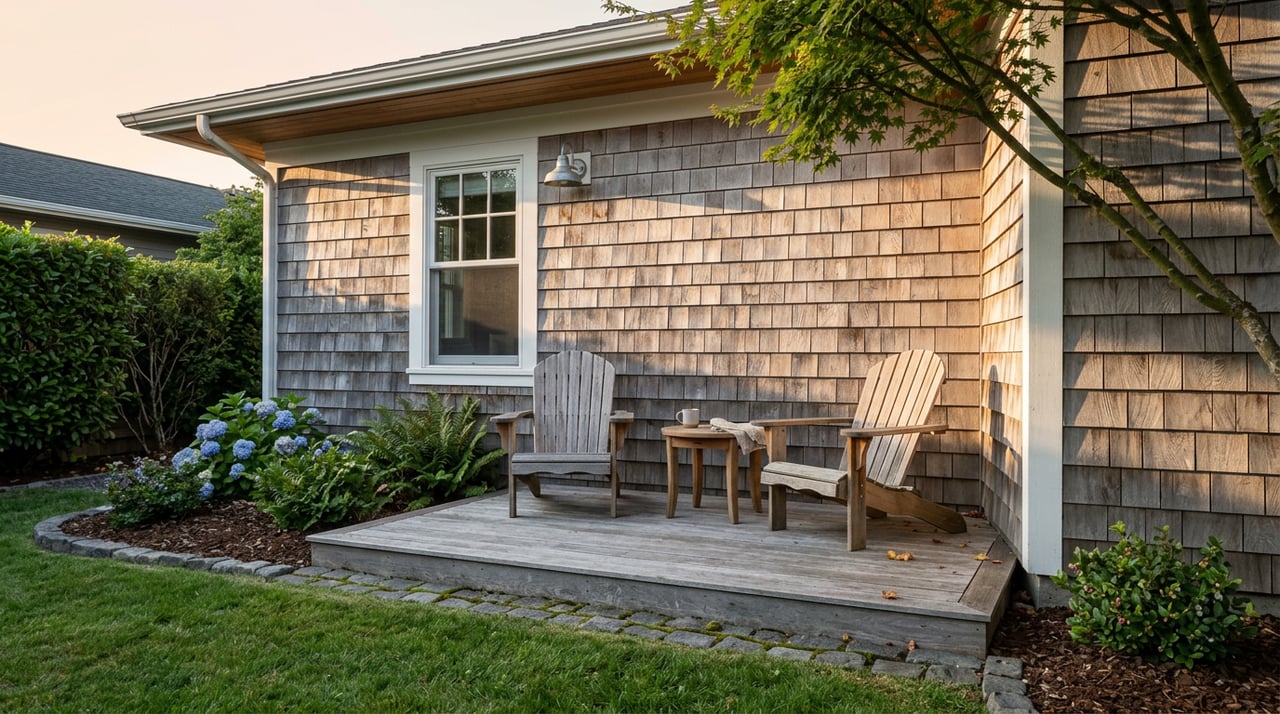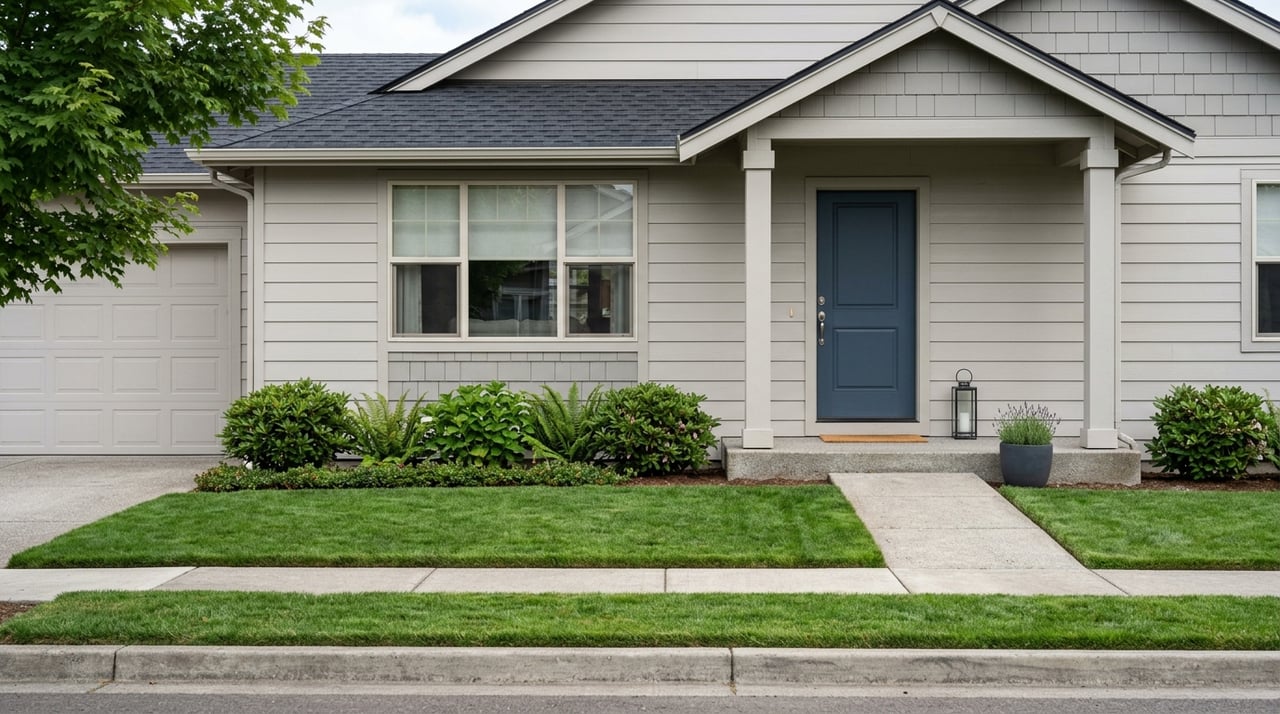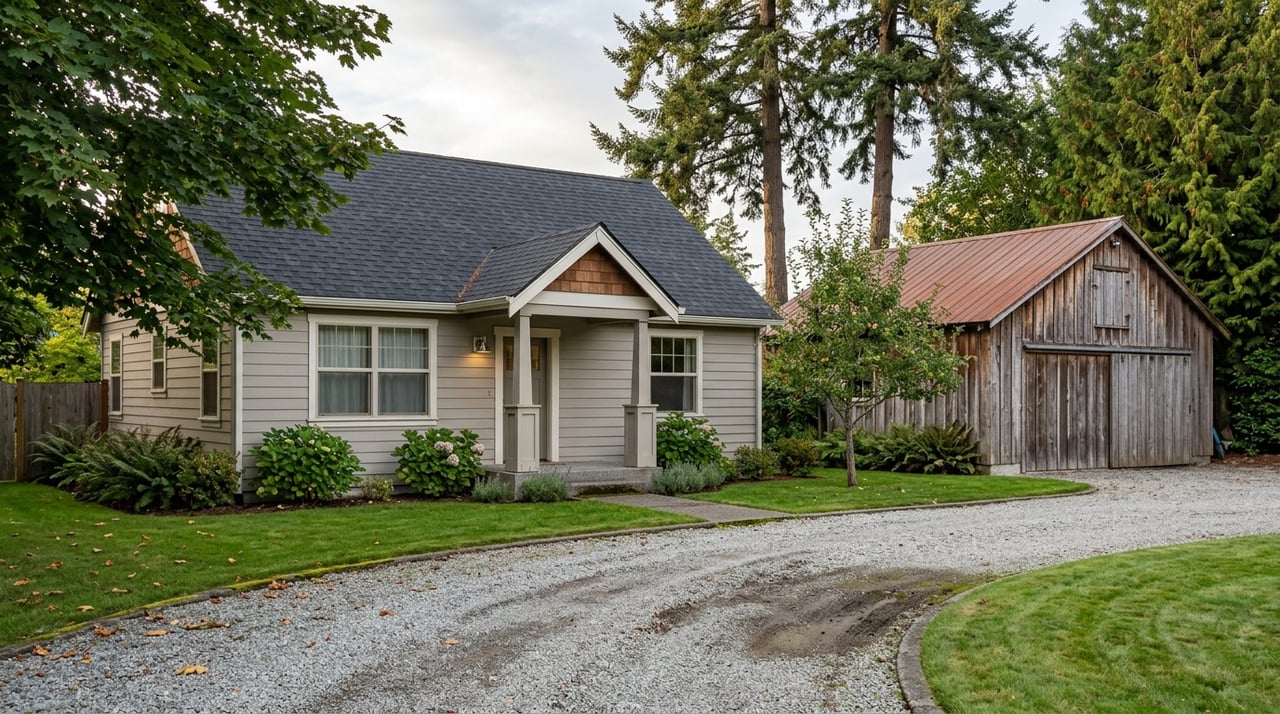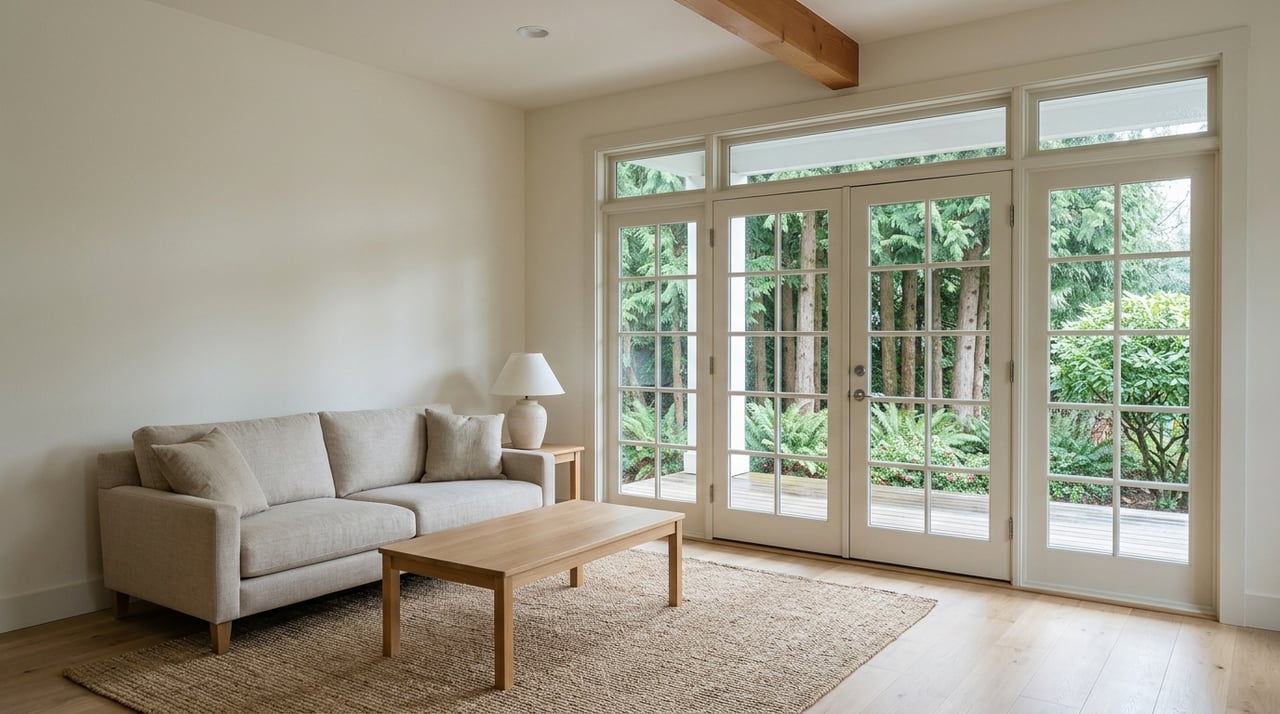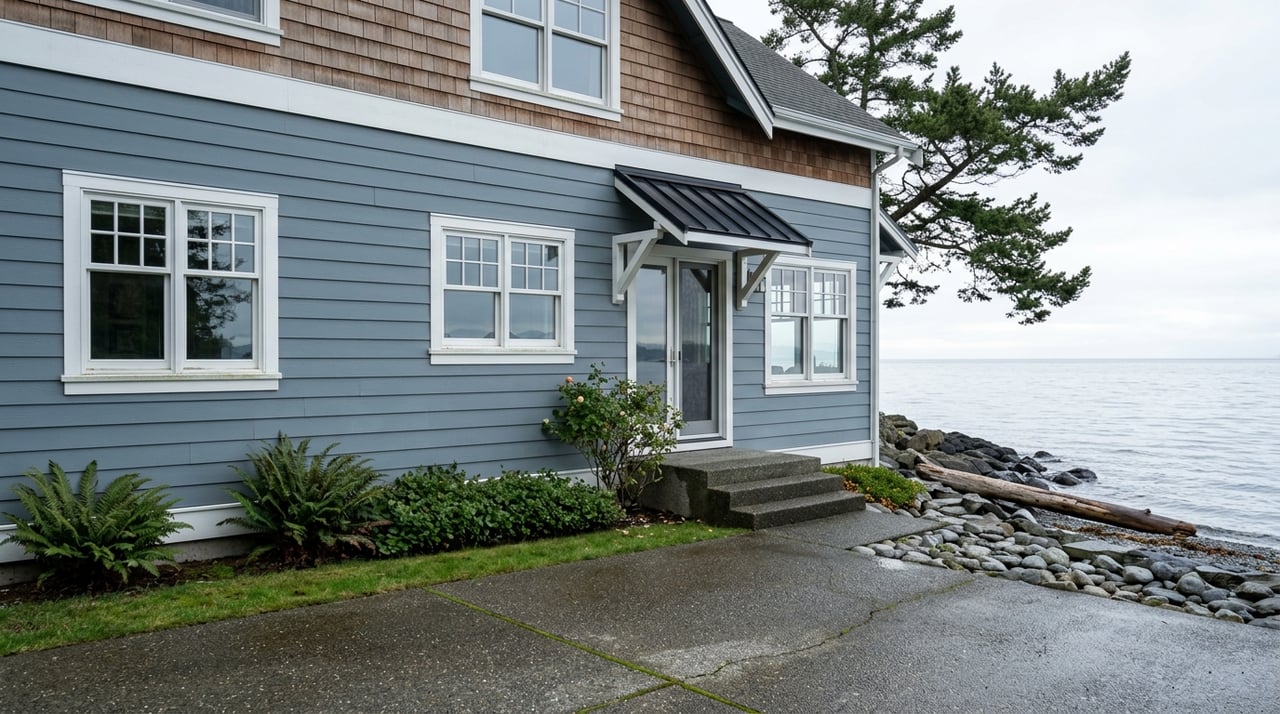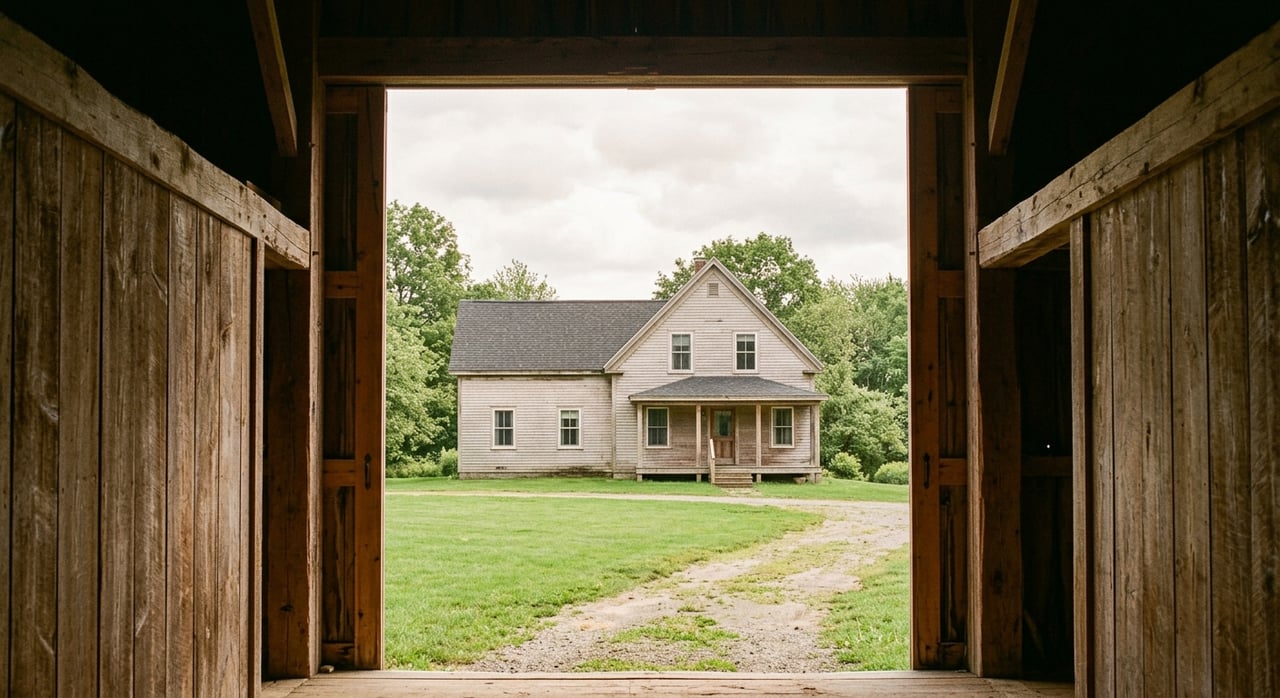
If you are selling acreage or a small farm home in Lynden, you are not just selling a house. You are also selling land, utility, access, and a set of details that buyers will scrutinize closely. In a market where buyers have more options, the listings that stand out are usually the ones with clean records, clear answers, and honest presentation. Let’s dive in.
Why Lynden acreage takes a different strategy
Lynden sits in a county where agriculture plays a major economic role. According to the USDA 2022 Census of Agriculture county profile for Whatcom County, the county had 1,582 farms, 102,886 acres in farms, and more than $510 million in agricultural product sales. That context matters because buyers often view acreage here through both a residential and land-use lens.
You also need to account for current market conditions. A 2024 local market report based on NWMLS data put Lynden’s median sale price at $675,000 and median days on market at 46, while Whatcom County’s median sale price was $635,000. NWMLS also reported that Whatcom County active inventory was up 68.1% year over year in April 2025, with new listings up 30.9%, which points to more buyer choice than sellers saw during the tightest inventory years.
That means presentation and preparation matter even more. For acreage and small-farm properties, buyers often weigh usable land, water, access, permitted outbuildings, and operational function just as heavily as interior finishes.
Start with property records
Before you think about price or photos, gather the records that define what you are actually selling. This step helps you avoid surprises after your home goes live and gives buyers more confidence from day one.
A smart first pass includes:
- Parcel map
- Survey, if available
- Zoning information
- Easement documents
- Current-use or open-space paperwork
- Septic records
- Well or drinking-water records
- Farm plans or critical-area documents, if applicable
Whatcom County provides several tools that can help you verify these details before listing, including zoning resources and online septic and drinking-water records.
Confirm zoning before marketing
Zoning is one of the first things serious acreage buyers will want to understand. It affects how the land can be used, what structures may be allowed, and whether a buyer’s future plans align with the property.
Whatcom County notes that zoning information for properties inside incorporated Lynden should be obtained from the appropriate jurisdiction, while county tools can help with parcel data for county parcels. County zoning maps include districts such as AG, CF, RF, R2A, R5A, and R10A, and each one can shape how buyers interpret the property’s value and possibilities.
This is why broad marketing language can backfire. If you describe a property in a way that suggests uses not supported by zoning or permit history, you may attract the wrong buyers and create avoidable friction later.
Why lawful use matters
Acreage listings often include barns, shops, greenhouses, fenced areas, and other improvements that feel valuable to buyers. They can absolutely add value, but only when they are presented accurately.
The safest approach is to market features based on verified, lawful, and functional use. If a loft, shop, or guest area has not been approved as living space, it should not be advertised that way.
Review current-use tax status
If your land is enrolled in a current-use program, that can have a direct impact on the sale. Washington’s Department of Revenue explains that classified land is taxed on current-use value rather than highest and best use, which can be beneficial while you own it.
However, when classified land is sold or transferred, the seller may become liable for additional tax, interest, and penalty unless the buyer signs a Notice of Continuance. The Washington Department of Revenue’s guidance on current-use classifications also notes that for removals of farm and agricultural land on or after September 1, 2025, the additional tax period is up to four years.
If your property has this status, it is worth clarifying early. Buyers may still be interested, but they will want to know whether the classification can continue and what the tax implications may be.
Easements and conservation programs
Conservation easements and farm-related programs can also affect buyer decisions. Whatcom County says its Conservation Easement Program uses permanent conservation easements to compensate owners for unused development rights, and the county reports that it has protected nearly 2,000 acres, mostly commercial farmland.
The county also describes a CPAL pathway for qualifying landowners with ongoing agriculture and critical areas, with periodic reviews every two years. If your parcel is affected by an easement, farm plan, or similar program, have that documentation ready before listing.
Get septic records updated
For many Lynden acreage sales, septic is one of the biggest transaction items. Buyers and lenders often focus on it early, and missing documentation can slow down the process.
Whatcom County says that when a property is offered for sale, a current Report of System Status must be on file. The county also explains that conventional gravity systems need evaluation every three years, while other septic systems generally need annual evaluation unless more frequent inspection is required. Importantly, homeowners cannot complete their own evaluation when the inspection is for a sale or transfer, according to the county’s Operation and Maintenance requirements.
If your report is outdated, handling it before the listing goes live is usually the better move. It gives you time to respond to any issues and helps buyers feel that the property has been responsibly maintained.
Document well and water information
On acreage properties, water matters almost as much as the home itself. If the property is served by a private well, buyers will want records, recent test information, and clarity about what has and has not been inspected.
Whatcom County’s Drinking Water program maintains records for thousands of wells and also conducts well site inspections and real-estate drinking-water inspections. Washington DOH recommends annual testing of private wells for coliform bacteria and nitrate, plus arsenic testing at least twice while you own the well.
It also helps to understand the scope of a county real-estate drinking-water inspection. The county says it is based on a visual inspection plus a bacteriological sample, and it does not include a pump test or interior inspection. That distinction can help you set accurate expectations with buyers.
Check barns, shops, and other structures
Outbuildings often carry real value in Lynden acreage sales, but only when they are properly documented. A barn, pole building, greenhouse, or detached shop may be a strong selling point, yet buyers will still want to know whether permits were required and whether the structure complies with current rules.
Whatcom County states that a detached, non-occupied accessory structure up to 200 square feet may be exempt from a building permit, though fire, natural resources, zoning, and setback requirements still apply. The county also notes that many other structures, including pole buildings, greenhouses, solar panels, water storage tanks, and fences over 7 feet, may require permits or engineering under its Accessory Structures guidance.
If you have converted spaces or extra buildings, verify the permit history before you market them. This step protects you from overstating the property and helps buyers trust what they are seeing.
Be careful with ADU assumptions
Accessory dwelling unit rules can be more complex than many owners expect. Whatcom County notes that ADU rules depend on zoning and parcel history, and some parcels require additional review.
That is especially important on rural and agricultural property. Rather than assuming a detached structure or finished space can be marketed as an ADU or guest home, confirm the rules first and describe the space conservatively unless the records support more.
Price the home and land separately
One of the biggest mistakes acreage sellers make is pricing the property like a standard residential listing. Buyers may care about the house, but they are often evaluating several value buckets at once.
A practical pricing approach is to consider:
- The residence itself
- Usable acreage
- Water access and documentation
- Septic condition and status
- Permitted outbuildings
- Access and layout
- Functional agricultural or hobby-use features
This does not mean each feature gets a simple dollar-for-dollar add-on. It means your pricing strategy should reflect how buyers in this segment actually think and compare properties.
Market function, not fantasy
The most effective acreage marketing is usually clear and grounded. Buyers respond well to listings that show how the property works in real life, not just how it looks in wide-angle photos.
That can mean highlighting practical strengths such as clear access, usable field layout, documented water systems, and permitted structures. It can also mean resisting the urge to make unsupported claims about future use, rental potential, or living space.
Staging acreage the right way
Acreage staging should feel practical rather than decorative. Clear driveways, tidy work areas, visible barn and field use, and easy-to-understand layout cues can help buyers quickly grasp the property’s utility.
This kind of presentation supports better buyer conversations. It also aligns with what serious buyers tend to ask first: Is the septic current, what do the water tests show, is the land in current use, are there easements, and are the structures lawful?
A practical selling checklist
If you want a smoother sale, follow a step-by-step process before your property hits the market. Based on county and state requirements, this is a strong roadmap for Lynden acreage and small-farm homes:
- Pull zoning, parcel, septic, well, and current-use records.
- Confirm whether barns, sheds, guest spaces, or converted structures were permitted.
- Update septic documentation and gather water records.
- Check for easements, CPAL participation, and current-use tax consequences.
- Price the residence, usable land, and improvements with local comps in mind.
- Market lifestyle and land features only after verifying they are lawful and functional.
This kind of preparation can reduce delays, improve buyer trust, and help you negotiate from a stronger position.
Why preparation matters more now
In a market with more inventory and more buyer choice, clean documentation can be a real advantage. When buyers are comparing several acreage properties, the one with organized records and straightforward answers often feels less risky.
That matters in Lynden, where acreage buyers tend to be detail-oriented. The strongest listings are usually the ones with clear zoning, verified water and septic status, honest presentation of improvements, and a pricing strategy that reflects both the home and the land.
If you are thinking about selling acreage or a small farm home in Lynden, a calm, thorough plan can make the process feel much more manageable. When you are ready for personalized guidance, Chris Boyd can help you prepare, position, and market your property with the kind of care complex homes deserve.
FAQs
What should you verify before selling acreage in Lynden?
- You should verify zoning, parcel records, easements, current-use status, septic records, well or water records, and permit history for outbuildings before listing.
Does a septic inspection matter when selling a Lynden acreage home?
- Yes. Whatcom County says a current Report of System Status must be on file when a property is offered for sale, and sale-related evaluations must be completed by a qualified inspector rather than the homeowner.
How does current-use tax status affect a Whatcom County land sale?
- Land in a current-use program may trigger additional tax, interest, and penalty at sale or transfer unless the buyer signs a Notice of Continuance, so it is important to review that status early.
What water records do buyers want for a small farm home in Lynden?
- Buyers often want well records, recent water testing information, and clarity about any county real-estate drinking-water inspection, including what that inspection does and does not cover.
Can you market a barn or guest space as living area in Whatcom County?
- Only if zoning and permit history support that use. If the records do not confirm approved habitable space, it is safer to describe the structure based on its verified use.
How should you price a small farm property in Lynden?
- Pricing should account for the residence, usable acreage, water and septic documentation, access, and permitted improvements rather than treating the property like a standard in-town home.