Looking for a true getaway that still feels close to home? Buying a second home or retreat on Lummi Island can be exciting, but it also comes with practical questions that are easy to miss if you are used to mainland buying. If you are considering a place here for weekends, summers, or a slower long-term rhythm, this guide will help you think through access, property types, financing, and upkeep before you make a move. Let’s dive in.
Why Lummi Island feels different
Lummi Island is part of Whatcom County, but your day-to-day ownership experience is shaped by ferry access, rural infrastructure, and land-use rules that can vary a lot from one parcel to the next. That is part of the appeal for many buyers.
You may be looking for a waterfront home, a view property, a cabin-like retreat, or a larger parcel for privacy. On Lummi Island, those options exist, but the details behind each property matter more than they might in a typical in-town purchase.
Ferry access should shape your search
One of the first things to understand is that Lummi Island is a ferry-served market. The county-operated Whatcom Chief is first come, first served, does not accept reservations, and does not take cash.
The crossing itself is short, about five minutes, but ownership still means planning around the ferry schedule. Weekday service begins at 5:40 a.m., while weekend and holiday service begins at 7 a.m., so your flexibility is different from a drive-only second-home market.
If you expect frequent trips on and off the island, it helps to think about ferry logistics early. That includes your work schedule, guest arrivals, contractor access, and how often you want to make spontaneous visits.
Moving and delivery logistics matter
If you are buying a property that needs work, logistics become even more important. Whatcom County restricts vehicles over 40,000 GVW during tides under zero, and it advises extra caution for trailers or vehicles with long rear overhangs.
That can affect remodels, construction deliveries, and even large moving trucks. It is wise to factor transportation timing into both your due diligence and your post-closing plans.
Ferry costs are part of ownership
Current county fares effective Aug. 23, 2025 list a passenger or pedestrian round trip at $10 and a vehicle with driver under 11,000 pounds at $15. Multi-ride punch cards are also available.
Those costs may not be deal breakers, but they are part of the monthly rhythm of second-home ownership. If you plan to visit often, they should be part of your real-world budget.
Property types vary more than many buyers expect
Lummi Island is not one uniform housing market. According to the Whatcom County Assessor’s 2025 neighborhood report, the market includes improved lots, vacant lots, Scenic Estates lots, larger acreage parcels, and waterfront parcels.
That matters because pricing is not just about square footage. Land utility, access, development cost, shoreline features, and view adjustments can all shape value.
Raw land and teardown opportunities need extra care
Vacant land on the island may look like a simple path to building your retreat, but the county notes that vacant land is discounted for development costs, lack of utilities, and access issues. A lower land price can come with a longer and more expensive path to usability.
If you are considering a fixer, teardown, or vacant parcel, you will want to look closely at infrastructure, permitting path, and ongoing carrying costs. A great view does not always mean an easy project.
Zoning can change what is possible
The north end of Lummi Island is largely zoned RR-I, while the south end is largely RF. Under the subarea plan, RR-I density is generally one unit per 3 acres outside aquifer recharge areas and one unit per 5 acres inside them, while RF is one unit per 20 acres.
That means two properties with similar acreage may not offer the same future options. If your goal includes adding flexibility over time, zoning should be reviewed early, not after you fall in love with a parcel.
Thinking about a guest space or rental use
Many second-home buyers ask whether they can add a guest house or create income when they are not using the property. On Lummi Island, the answer depends on both county rules and loan guidelines.
In RR-I zoning, Whatcom County says detached accessory dwelling units require a 10-acre lot, while attached ADUs require 4.5 acres. That is a meaningful threshold, especially for buyers assuming a smaller parcel will allow a separate guest setup.
Short-term rental rules and loan rules are not the same
The county defines a vacation rental unit as a single-family dwelling or ADU rented for less than 30 days when the owner is not present. That is a local land-use definition.
Your lender may view the property differently. For conforming second-home financing, Fannie Mae requires the property to be a one-unit dwelling, suitable for year-round occupancy, under your exclusive control, and not a rental property or timeshare.
A property can still have some rental activity and remain a second home in certain cases if rental income is not used for qualifying and other second-home rules are met. Still, if you expect to rent the home regularly, it is smart to clarify early whether you are really buying a second home or an investment property.
Financing a second home on Lummi Island
For many buyers, financing is where a dream retreat becomes a practical plan. Current conforming guidance from Fannie Mae and Freddie Mac shows a maximum 90% loan-to-value for second-home purchases.
In plain terms, many buyers should expect at least 10% down, plus reserves and closing costs. Fannie Mae also requires two months of reserves for Desktop Underwriter second-home loans.
Year-round usability matters
A second home generally needs to be suitable for year-round occupancy. On an island market, that makes condition, utilities, access, and overall livability especially important.
If a property is more seasonal in nature or needs major work before it functions well year-round, your financing options may be different. This is one reason it helps to align your lender, broker, and inspection strategy early.
Water, septic, and groundwater deserve close review
On Lummi Island, utility questions are not side issues. They are central to whether a property works well as a retreat now and in the future.
The subarea plan notes that the north end is groundwater-dependent, and a 2003 survey found seventeen wells with serious saltwater intrusion. It also states that further development can contribute to dry or low-producing wells, while poorly maintained septic systems can affect groundwater quality.
Septic maintenance is part of the carrying cost
Whatcom County requires regular septic monitoring. Conventional gravity systems are usually evaluated every three years, while other systems are generally evaluated annually.
The county also requires a current Report of System Status to be on file when a property is offered for sale. For you as a second-home buyer, this is a reminder that ongoing system care should be part of your ownership plan and budget.
Insurance and risk planning for part-time owners
Second homes need a different level of planning because you are not there every day. On Lummi Island, that can include flood considerations, wildfire season awareness, and attention to outbuildings or detached structures.
The Washington State Office of the Insurance Commissioner says standard home policies usually do not cover flood damage, so flood insurance is separate. It may also be required by your lender if the property is in a Special Flood Hazard Area.
Flood timing can affect your closing plan
NFIP flood policies typically have a 30-day waiting period unless the lender requires coverage for the mortgage. If you are buying a waterfront or low-lying parcel, flood insurance should be part of your conversation early in the process.
Waiting until the last minute can create stress around both underwriting and move-in timing. It is much easier to confirm requirements upfront.
Wildfire and detached structures matter too
The state insurance commissioner also notes that wildfire risk remains significant in Washington during the drier summer months, even though standard homeowners policies typically include fire damage coverage. Buyers should think about defensible space and home hardening as part of ownership, not just emergency planning.
If the property includes a studio, shop, garage, or other detached structure, it is also worth reviewing coverage in detail. Standard policies may not automatically cover every structure or every use on the parcel the way you expect.
Shoreline, drainage, and permit assumptions
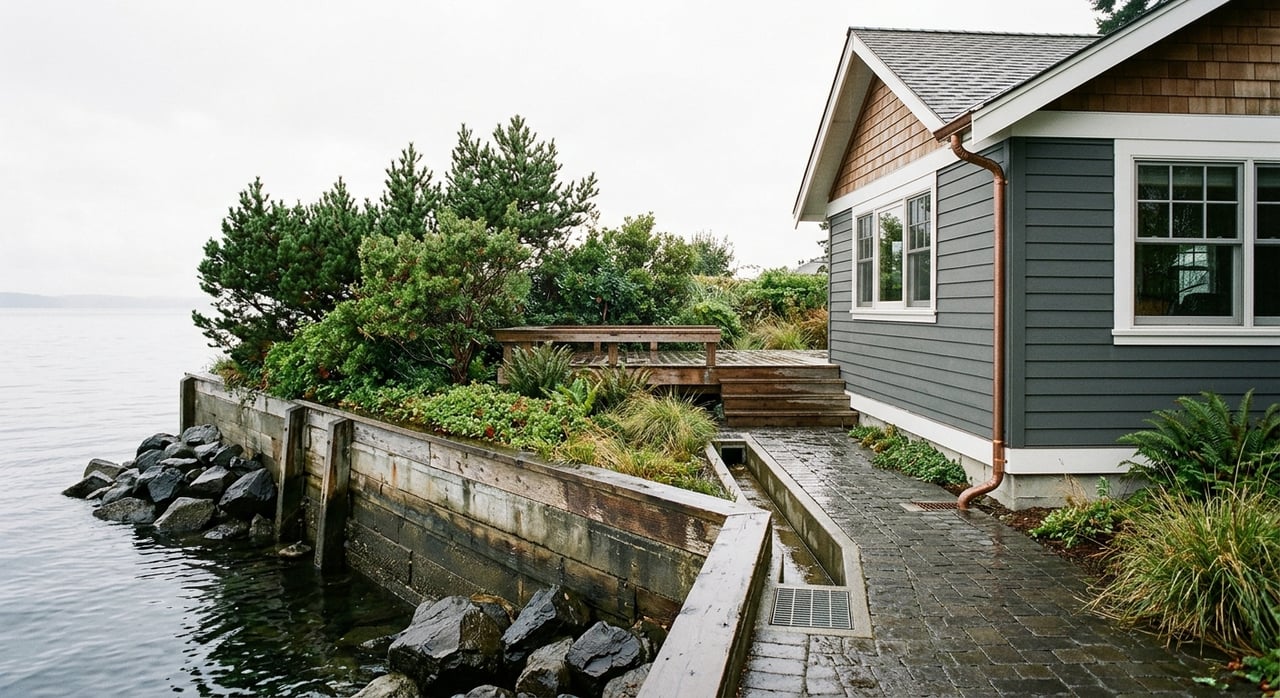
If you are drawn to waterfront or shoreline property, be careful about assuming future improvements will be simple. Whatcom County notes that shoreline location or buffer status can change permitting requirements for things like additions, docks, and exterior work.
That does not mean you should avoid shoreline property. It just means parcel-specific review is essential before you make plans around expansion or upgrades.
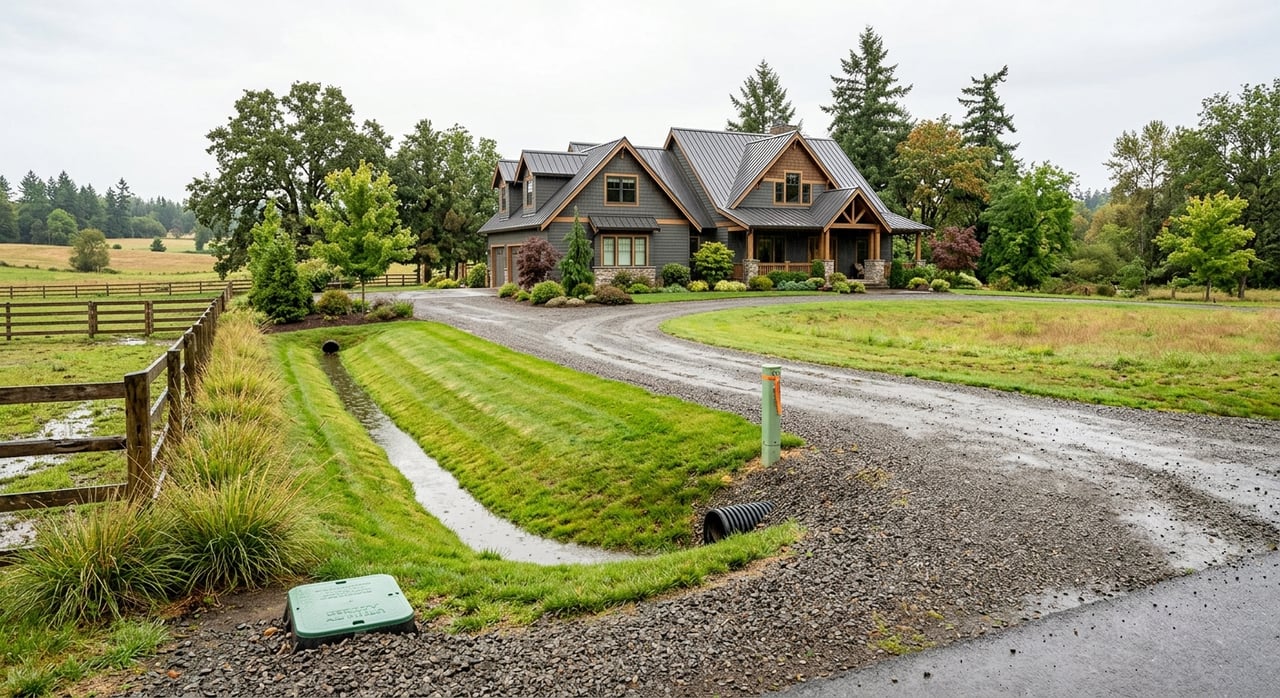
Storm impacts also matter on the island. Whatcom County has documented severe roadway erosion on Beach Avenue after an extreme rainfall and flooding event, which is a strong reminder to review drainage, driveway conditions, culverts, and access routes.
A smart buying approach for a Lummi retreat
The right second home on Lummi Island can be a peaceful and deeply rewarding purchase. The key is to evaluate it as both a lifestyle decision and a systems decision.
A practical way to approach your search is to focus on these questions:
- How often will you realistically use the property?
- Does the ferry schedule fit your travel pattern?
- Is the home suitable for year-round occupancy?
- What are the zoning limits for the parcel?
- Are well, septic, drainage, and access conditions fully understood?
- If rental use matters, does your financing structure match that plan?
- Have insurance needs been reviewed early, especially for flood exposure or detached structures?
When those answers are clear, you can buy with much more confidence. You are not just choosing a beautiful place. You are choosing a property that supports the way you want to spend time there.
If you are thinking about buying a second home or retreat on Lummi Island, a calm, detailed strategy can save you time, money, and stress. When you want local guidance tailored to your goals, Chris Boyd can help you evaluate the details that matter and move forward with confidence.
FAQs
What should you know about ferry access for a Lummi Island second home?
- The Whatcom Chief is first come, first served, has no reservations, does not accept cash, and runs on a set daily schedule, so ferry timing should be part of how you evaluate ownership.
Can you buy vacant land on Lummi Island for a future retreat?
- Yes, but vacant land may come with added development costs, utility questions, and access issues, so it is important to review the full path to building before you buy.
Can a Lummi Island second home also be used as a short-term rental?
- Possibly, but county vacation rental rules and lender second-home rules are different, so you should confirm early whether your intended use fits your financing and the parcel’s allowed use.
What financing should you expect for a Lummi Island second home?
- Many buyers should expect at least 10% down, plus closing costs and reserves, because current conforming guidance shows a 90% maximum loan-to-value for second-home purchases.
What utility issues matter most when buying on Lummi Island?
- Well capacity, groundwater conditions, septic status, drainage, and year-round usability are all important and should be reviewed carefully during due diligence.
Do waterfront homes on Lummi Island need special insurance review?
- Yes, because standard homeowners insurance usually does not cover flood damage, and flood insurance may be required if the property is in a Special Flood Hazard Area.